FG Football Boots for Dry Natural Ground
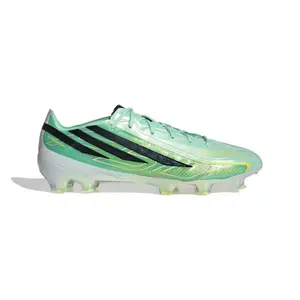

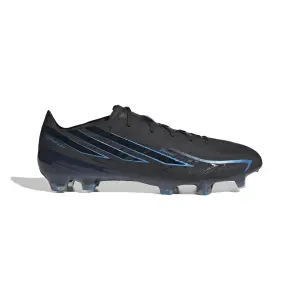
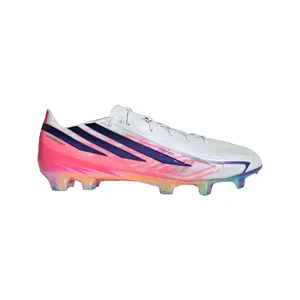
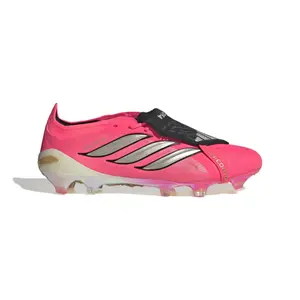
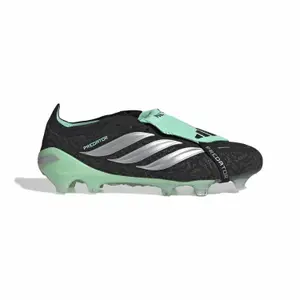
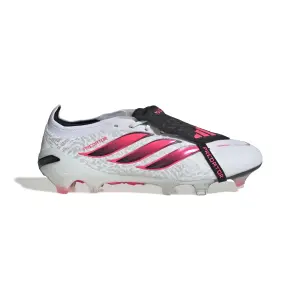
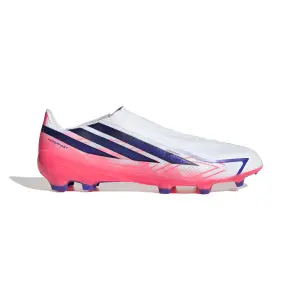
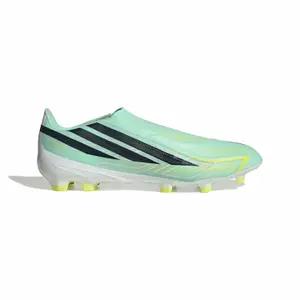
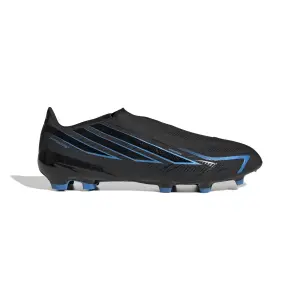
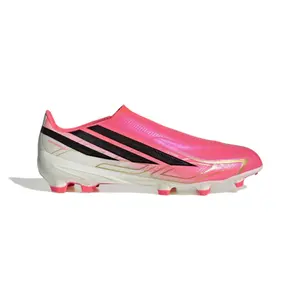
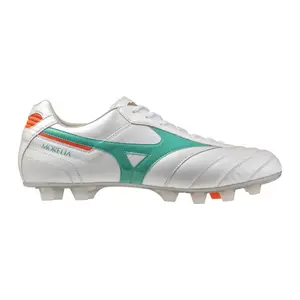
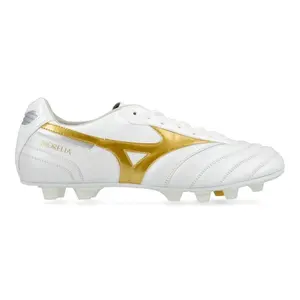
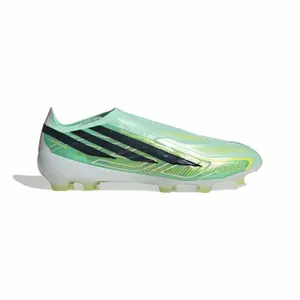
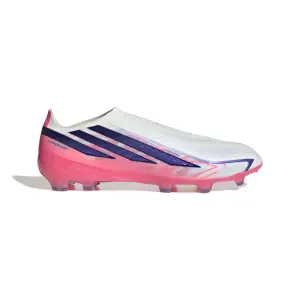
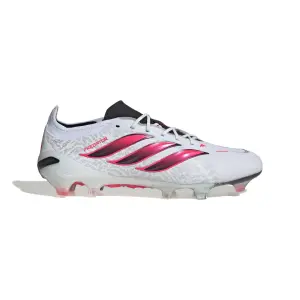
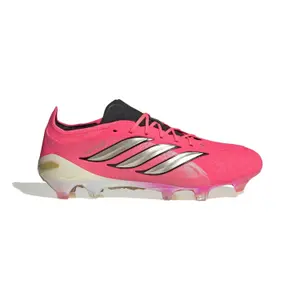
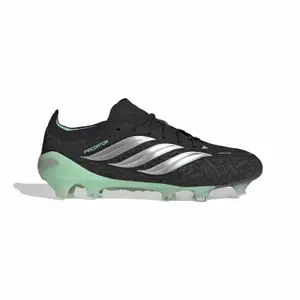
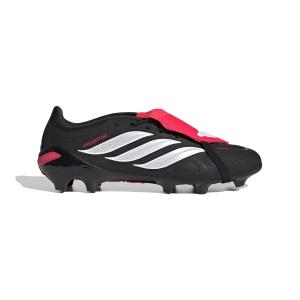
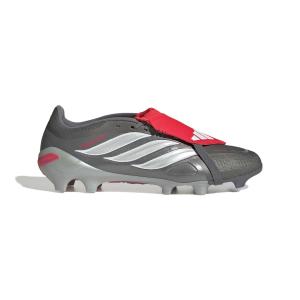
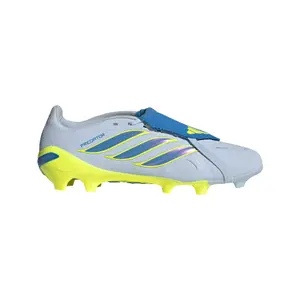
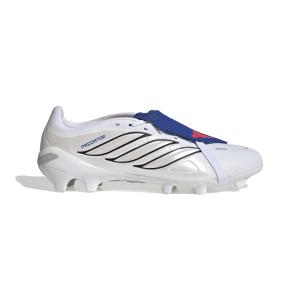
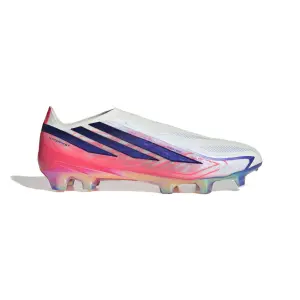
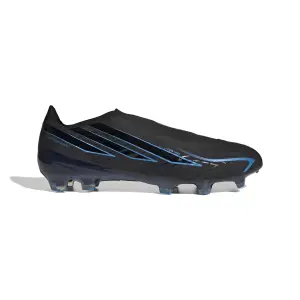
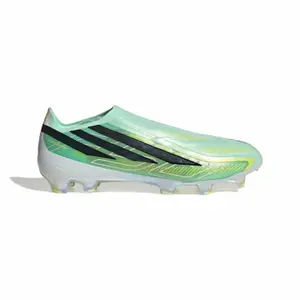
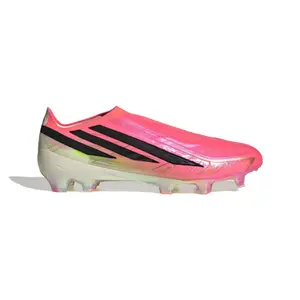
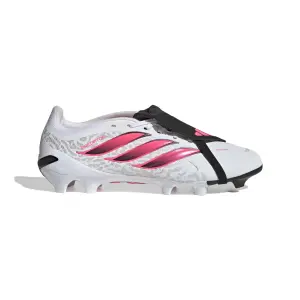
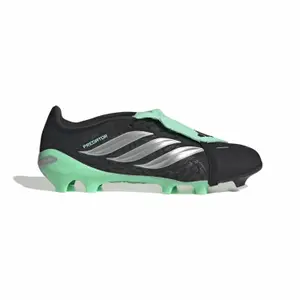
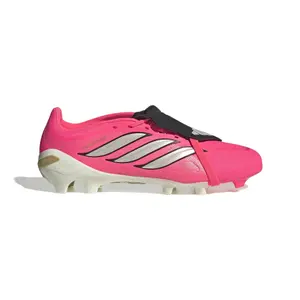
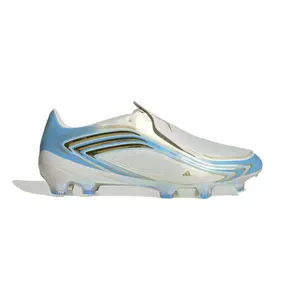
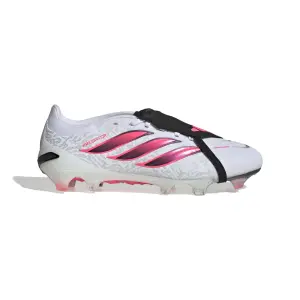
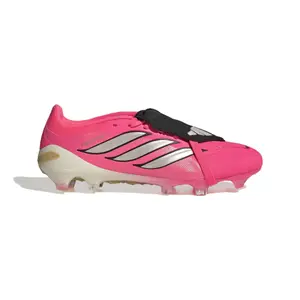
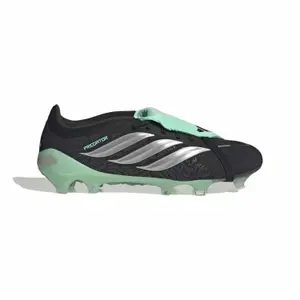
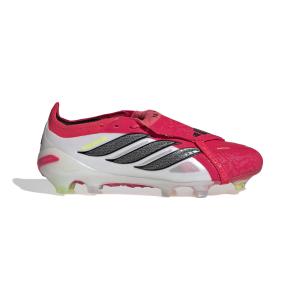
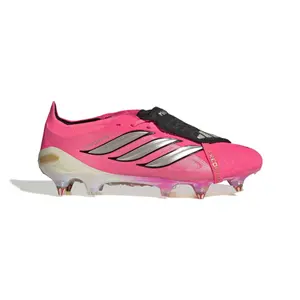
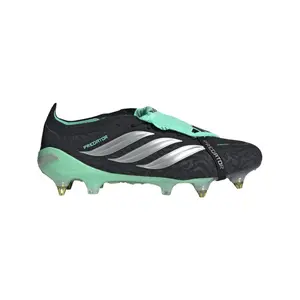
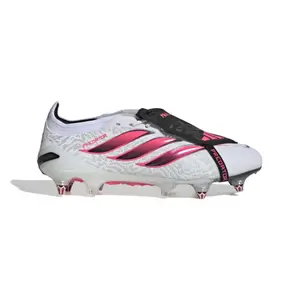
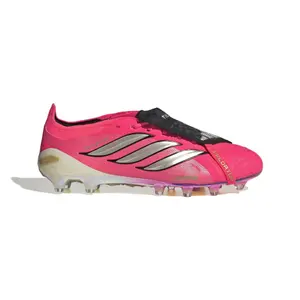
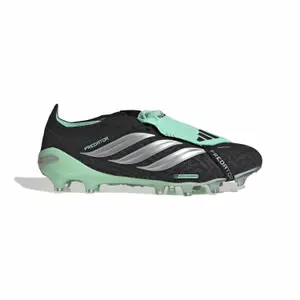
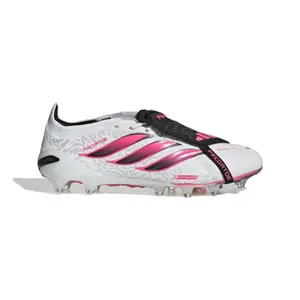
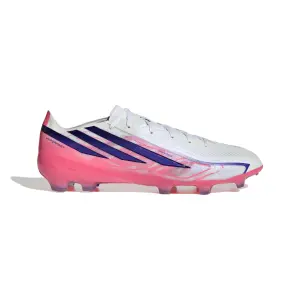
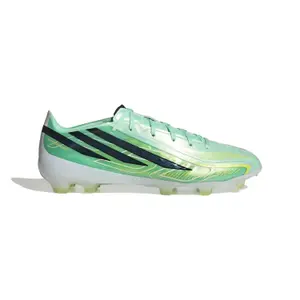
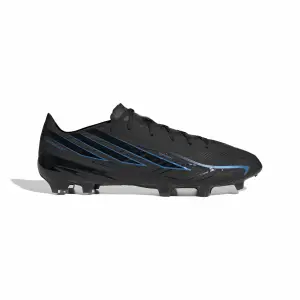

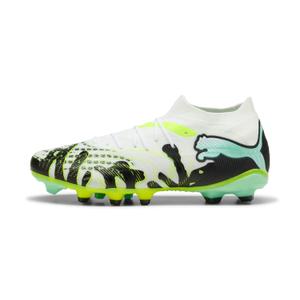
FG football boots are designed for dry natural pitches, meaning firm grass surfaces where most matches and training sessions take place. Their moulded stud sole, typically featuring around a dozen non-removable studs, seeks to balance grip and stability when the ground doesn't sink beneath your feet.
Here you can find FG models from major football brands, from training pairs to high-end silos, available in low-top or collar versions.
What is an FG football boot used for on dry natural terrain?
An FG football boot is designed for playing on firm, dry, or slightly muddy natural grass, ensuring that your foot doesn't slip and that the studs don't sink in too much. FG stands for Firm Ground, which literally means firm ground: it is the most common sole in football, suitable for training and match play on grass for most of the season. Its studs are moulded directly into the sole, making them fixed, with a design that allows for traction during support and pivoting without locking the foot. If you play for a club on natural grass and can only get one pair, FG is almost always the choice to make.
How to recognise an FG pair among all the models?
The abbreviation is included in the model name, right after the range name, and this is the most reliable indicator. The same model is available in several sole options from brands, with only the suffix changing: FG for dry natural terrain, SG for soft ground, AG for artificial grass, and TF for small surfaces. There are also hybrid soles labelled FG/AG or MG, designed to transition from one type of ground to another. By looking under the boot, you can identify FG by its moulded studs, which are more numerous and shorter than those of a screw-in pair.
FG, SG, AG, TF or indoors: which sole to choose according to your pitch?
The choice of sole depends solely on the ground you play on most often, not on your level or position. If you alternate between several surfaces, taking a look at the overview of football boots by type of terrain will help you compare the different sole families before making a decision. Each surface has its dedicated page:
- The SG studs for soft ground boots, for heavy and muddy pitches in winter, featuring longer and often replaceable studs.
- The AG synthetic boots, with soles made for artificial grass and its harder supports.
- The TF futsal boots, covered in small studs, designed for stabilised surfaces and short synthetic pitches for five-a-side.
- The futsal and indoor shoes, with flat rubber soles, meant for gym floors and smooth surfaces.
An FG pair used indoors or on very hard synthetic surfaces wears out faster and offers less consistent traction: it's better to keep each sole for the purpose it is intended for.
Which brands offer FG shoes for natural terrain?
The major football brands produce all their models in FG version, making it the most widely available sole in their catalogue. You will find pairs from Nike, adidas, Puma, and New Balance, spread across several product lines. Each brand organises its shoes into ranges suited for different uses: some models focus on speed and short supports, others are built around ball control, and still others prioritise comfort and foot support, often using leather. These lines evolve from season to season, including their construction, so it's easiest to look at the details of the model you are interested in rather than relying on what you knew about a previous version.
How to choose the right size and support?
A football boot is meant to fit more snugly than a casual sneaker, with about the thickness of a thumb between the longest toe and the toe box. Too much space will cause your foot to move around inside the boot with each step, leading to blisters, while too tight will reduce comfort over the course of a match. Be sure to try them on with the actual match socks you use, and remember that leather uppers stretch slightly over time, unlike synthetic materials and knits. The choice between low and high-cut models mainly comes down to personal preference: the high-cut offers ankle coverage and extends the shaft, but it doesn't replace joint support.
Do you need an FG pair for training and another for matches?
It's not mandatory, but many players separate the two uses to prolong the life of their main pair. Training makes up the bulk of time spent on the pitch, and this is where the moulded studs get rounded and the uppers show signs of wear. Keeping a simpler model for the weekdays and a more elaborate pair for the weekend can help distribute the wear, especially if you play several times a week on dry, hard pitches. To extend the lifespan of an FG pair, remove dirt after each session, let them dry naturally away from any heat source, and avoid walking on concrete or tarmac with the studs.
Where to find discounted FG shoes on Foot-Store?
The site organises its offers on dedicated pages, updated with new arrivals and end-of-season collections. The promotions on football boots and clearance footwear gather models from previous seasons, often in limited sizes: this is where you'll find the most interesting FG pairs when a brand renews a range. The bargain shoes compile the current deals, and the shoes shipped within 24 hours come in handy when you need studs for an upcoming match. Conversely, if you're looking for colours from the 2026/27 season, check out the new arrivals in football boots.
Four times a year are worth watching if you are not in a rush. The Black Friday for football boots kicks off the season, followed by the year-end holidays, during which the special offers also serve as gift ideas. Next are the winter sales, and then the French Days in spring, followed by the bargain page. The end of the season, when brands announce a new silo, is also a good time to grab an FG pair from the outgoing range.
Frequently asked questions
Can you play with FG boots on synthetic grass?
It’s possible occasionally, but it’s not the intended use. On synthetic surfaces, the FG moulded studs encounter harder ground that doesn't give, which speeds up their wear and further fatigues the joints. Some clubs even prohibit FG soles on their newer synthetic pitches; in that case, you’ll need an AG sole or a hybrid FG/AG sole.
What’s the difference between an FG boot and an MG boot?
An FG sole is optimised for dry natural pitches, while an MG, or Multi Ground sole, is designed to transition from natural grass to synthetic turf. The MG generally has more, shorter studs to distribute pressure on hard surfaces. If you mostly play on grass, FG remains the most sensible choice.
Are FG boots suitable for children?
Yes, the FG sole is the most common in junior sizes, as youth categories most often train on natural grass. The children’s models replicate the adult ranges with a softer construction and a wider fit. As children's feet grow quickly, it’s better to check the size each time rather than buying a size up right from the start.
Do you have to spend a lot on a good pair of FG studs?
Not necessarily: each range comes in several levels of finish, from entry-level models to those worn in professional matches, all on the same silhouette. The differences mainly lie in the materials used for the upper, weight, and type of outsole. For an amateur player who frequently trains, a durable mid-range model is often more relevant than a very lightweight pair designed for match use.
How to know what size to get when ordering online?
The most reliable method is to measure the length of your foot in centimetres, heel against a wall, and then compare it to the size guide of the chosen model. Fit can vary from one brand and range to another: two pairs labelled the same size may not fit the same way. If you have wide feet, opt for lines known to be more accommodating rather than going up a size.