AG football boots for artificial grass
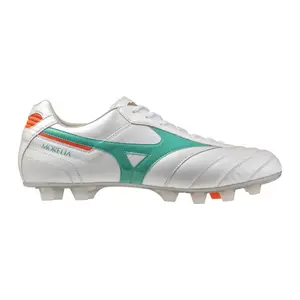
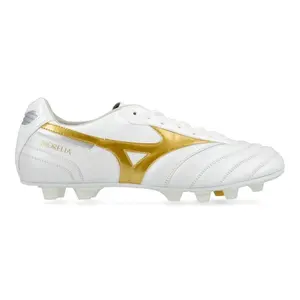
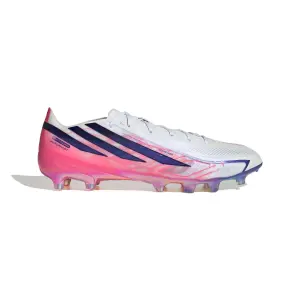
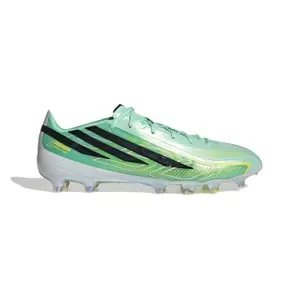
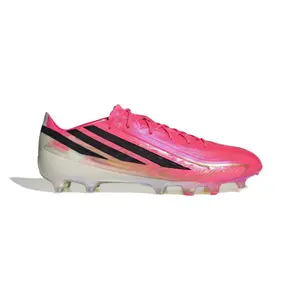
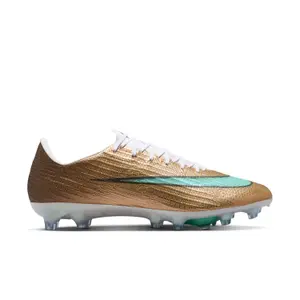
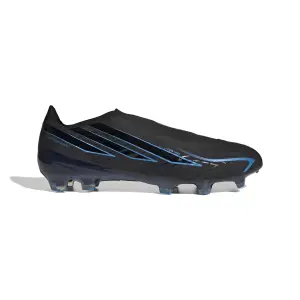
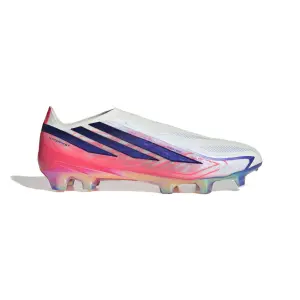
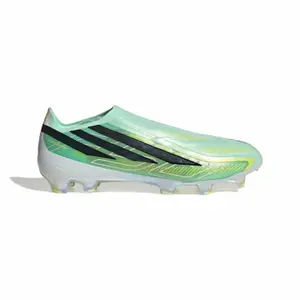
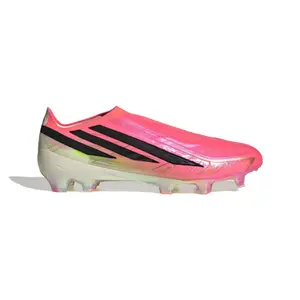
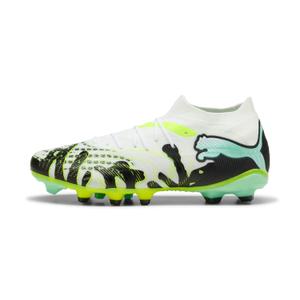
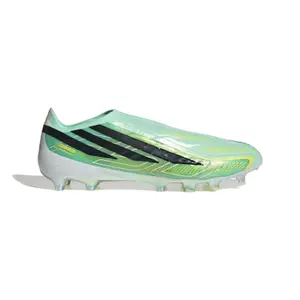
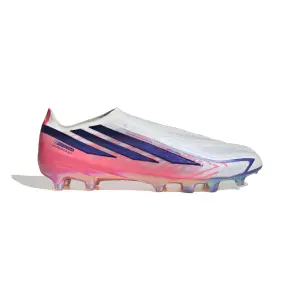
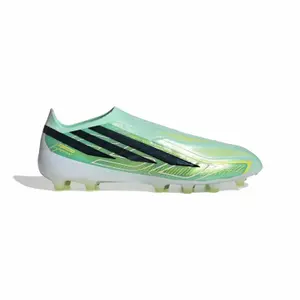
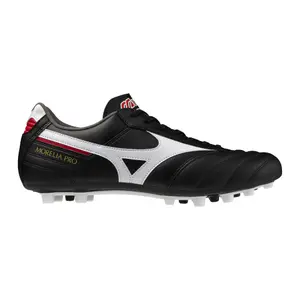
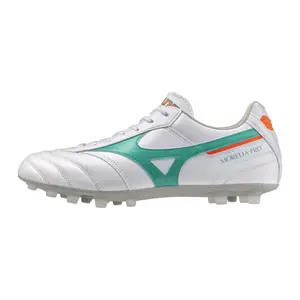
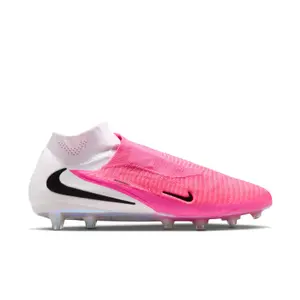
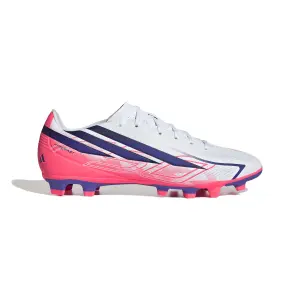
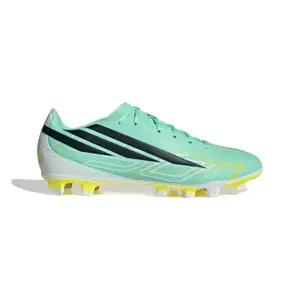
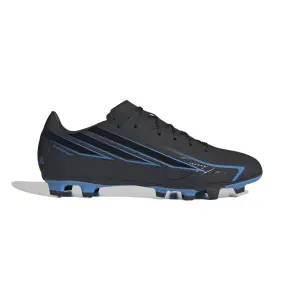
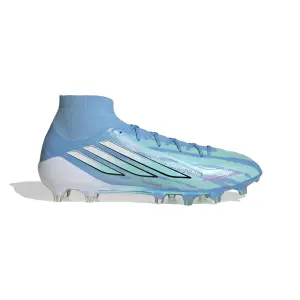
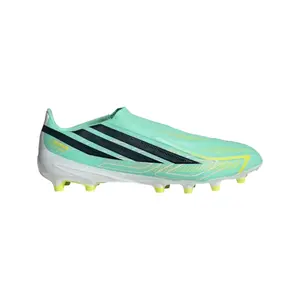
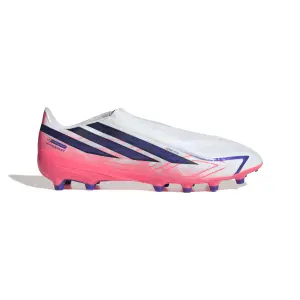
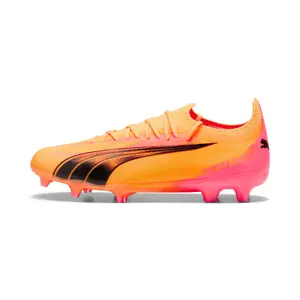
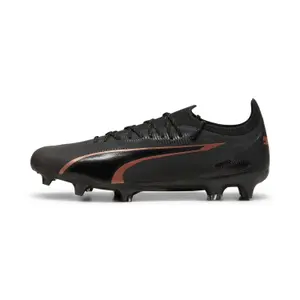
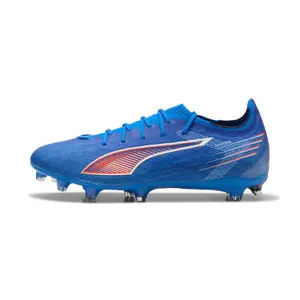
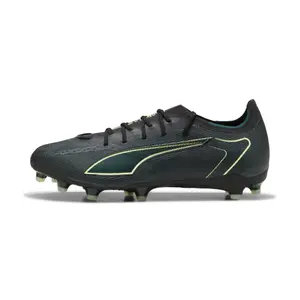
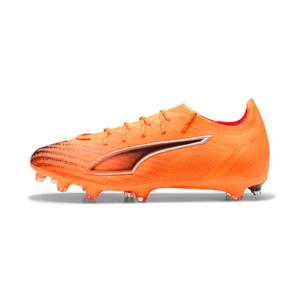
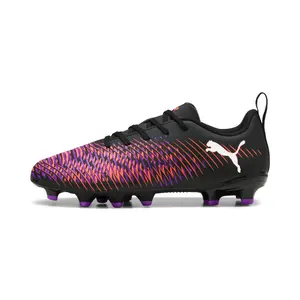
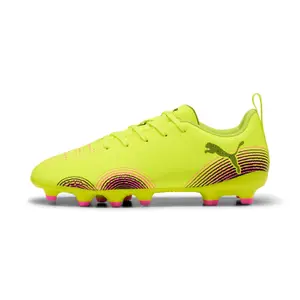
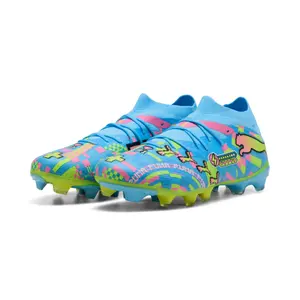
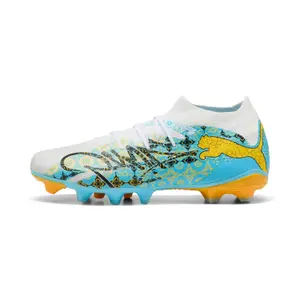
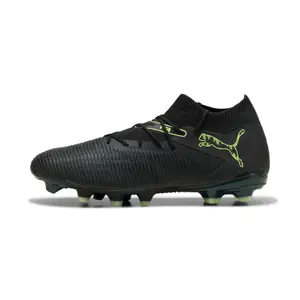
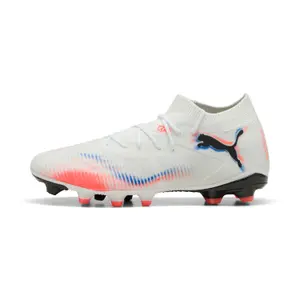
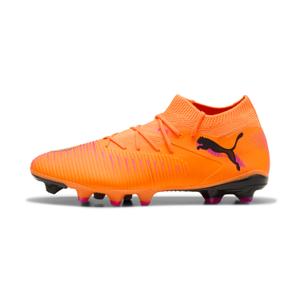
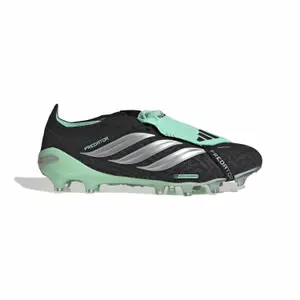
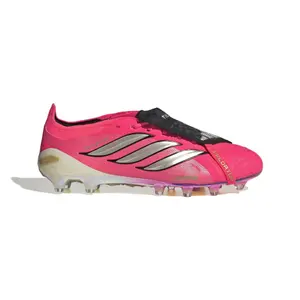
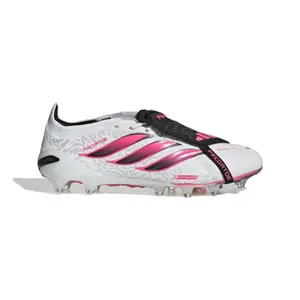
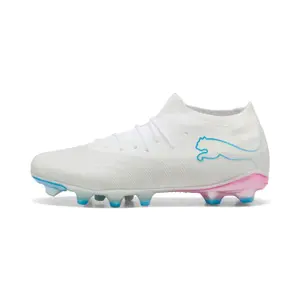
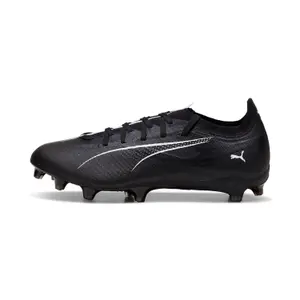
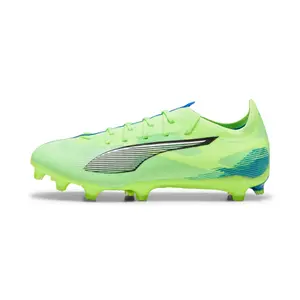
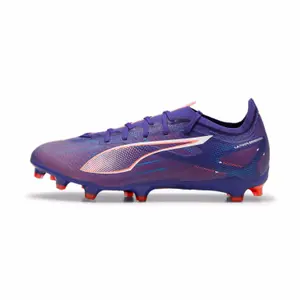
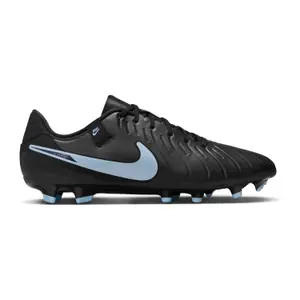
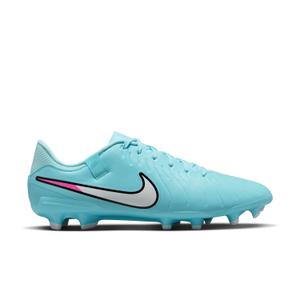
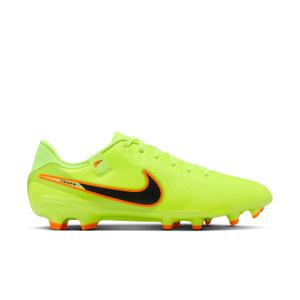
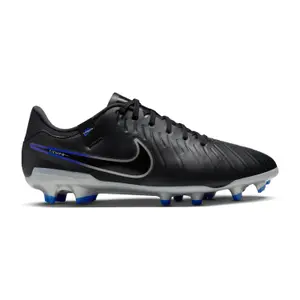
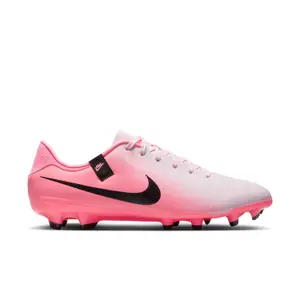
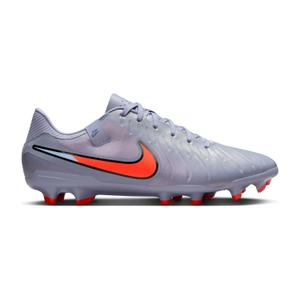
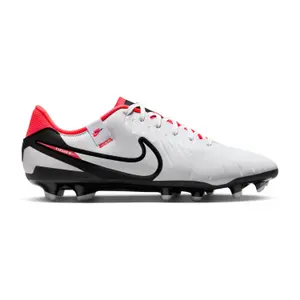
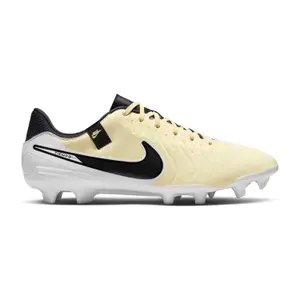
Football boots for artificial turf, identifiable by the AG symbol for Artificial Ground, are distinctive for having a sole with shorter and more numerous studs compared to natural ground soles. This distribution limits pressure points underfoot on a dense and even surface like artificial grass.
Here you'll find the selection of AG studs from Foot-Store, which you can filter by brand, range, and size to find the right pair for your training ground.
What is an AG football boot for artificial turf?
An AG boot is a football shoe with a sole designed for artificial grass: the AG stands for Artificial Ground. Its sole has more studs than a model designed for natural pitches, and these studs are shorter, often hollow or conical, and spread over the entire surface. The idea is simple: on synthetic surfaces, the layer of fibres, sand, and granules doesn't allow the studs to dig in like they do on grass. Increasing the contact points allows for better grip without concentrating all the pressure on a few studs, distributing the pressure more evenly under the foot.
In practical terms, you can identify an AG pair by the suffix on the box and in the model name, just after the range name. Major brands typically offer most of their stud lines in both FG and AG versions, with the same upper and a different sole. So it's the sole that changes the purpose of the shoe.
Why shouldn't you play on synthetic surfaces with FG or screw-in studs?
Because these soles are designed for surfaces that give way under the stud, which is not the case with synthetic pitches. On artificial turf, the long and fewer studs of an FG sole, especially the aluminium screw-in studs of an SG sole, remain on the surface or get stuck in the fibres. This results in less stable footing, hard sensations during direction changes, and accelerated wear of the sole, with the studs constantly rubbing against an abrasive surface.
Many clubs ban screw-in studs on their synthetic pitches to protect both players and the surface. If your weekly training is on synthetic, the AG sole is the logical choice, even if it means keeping a second pair for matches on grass. Some models come with a double mention like FG/AG or a multi-surface label: they accept both types of ground, with a compromise on each.
How to choose AG studs when playing mainly on synthetic surfaces?
The first criterion is the frequency of use: the more you play on synthetic, the more it makes sense to get a sole specifically designed for it rather than a versatile one. Next is the upper material. Leather uppers, generally softer, become more pliable over time and suit wide or sensitive feet. Synthetic uppers and textile weaves are lighter, maintain their shape better, and are easier to clean after a training session on granules.
The height of the collar is a matter of personal comfort: a high collar hugs the ankle and extends the line of the leg, while a low collar allows for more freedom when putting the shoes on. Neither replaces ankle support, and the choice is made during fitting. Finally, consider the actual use of the pair: a training model endures many more sessions than a pair reserved for matches, and a sturdier upper will last longer than a very thin one designed for lightness. When in doubt, base your choice on your usage rather than the name of the technology.
What size to get for AG football boots?
A football boot should fit more snugly than a regular shoe, with about half a centimetre in front of the big toe, without the toes hitting the end. A foot that is too loose slips inside the boot during play, which can cause blisters and reduce kicking precision. Sizes vary from brand to brand and sometimes from range to range within the same manufacturer: if you're changing models, check the size correspondence indicated on the product page rather than automatically taking your usual size.
Try them on with the socks you wear in matches, and preferably at the end of the day when your feet have slightly swelled. If you have wide feet, look for softer uppers or ranges known for being more comfortable in width.
How to care for a pair of AG boots used on artificial turf?
Caring for them involves three simple steps after each session: remove the granules, let them dry, and never force the drying process. Rubber beads and sand get trapped between the studs and in the seams; a dry brush and a damp cloth are enough to dislodge them. Then, let the pair dry at room temperature, with the laces loosened, away from a radiator or direct heat source, which hardens the glues and distorts the upper.
Avoid walking for long periods on concrete or asphalt with your AG boots: these surfaces wear out the studs much faster than the actual pitch. A dedicated bag and a pair of sandals for the walk from the changing room to the pitch significantly extend the life of a pair.
AG, FG, SG, TF, futsal: which selection to check based on your pitch?
Foot-Store categorizes its football boots by surface type, so you start with the pitch you play on rather than the brand. The nearby pages from this one can be viewed separately:
- The natural FG pitch, for grass in good condition and firm ground, the most common setup for weekend matches.
- The soft ground and SG screw-ins, for waterlogged winter pitches, where long and removable studs maintain grip.
- The five-a-side and TF soles, for the short synthetic surfaces of city stadiums and five-a-side football complexes, with many small rubber studs.
- The futsal and indoor, for the flooring and smooth surfaces of gyms, with a flat, non-marking gum sole.
- The overview page of football boots by pitch, if you want to compare the five sole families before making up your mind.
If you alternate between grass and synthetic in the same week, check out the models that have the double mention FG/AG, available in several of these selections.
Where to find AG shoes on sale at Foot-Store?
Offers on studs are grouped on permanent pages that you can check at any time rather than waiting for a specific promotion. The promotions on football shoes and the selection of shoe bargains bring together pairs whose prices have been revised; the clearance shoes page usually features end-of-line and last season's colours, often the best place when a new collection has just come out and you're simply looking for an AG sole in good working condition.
In terms of timing, four key periods concentrate most of the offers. The Black Friday on football shoes kicks off the season, followed by the end-of-year holidays, then the winter sales on shoes and the French Days in spring. The sales, clearance, and bargain pages cover the entire catalogue if you're adding more gear to your pair.
Two other pages are useful when ordering: the new arrivals for football shoes to see the season's 2026/27 lines as they arrive, and the selection shipped within 24 hours if your match is approaching. The website's new arrivals feature the latest items received, across all categories.
Frequently asked questions
Can you wear AG boots on natural grass?
It's occasionally possible, but it's not the intended use. On a soft or soggy natural lawn, the short and numerous studs of an AG sole dig in less and offer less grip than an FG or SG sole. For an occasional match on firm and dry grass, the difference is limited; for regular play on grass, it’s better to have a second pair suited for that.
Does an AG pair wear out faster than an FG pair?
Artificial grass is an abrasive surface that puts significant strain on the sole and toe of the boot, regardless of the pair. That's precisely why AG soles exist: they spread the load over more studs and withstand this friction better than a natural ground sole used incorrectly. The lifespan mainly depends on the number of sessions, the type of upper, and the care after each use.
Do kids need AG shoes for training on synthetic turf?
If the club plays all year on artificial grass, an AG sole or a multi-surface sole is the most cohesive choice. For younger players, many junior models are already offered with a versatile sole, designed for switching from one surface to another without changing pairs. The most important thing is the size, which should be checked at every sports season since feet grow quickly.
What’s the difference between an AG sole and a TF sole?
The AG sole has real short and numerous studs designed for the latest generation of synthetic grass with long fibres and filling. The TF sole, known as turf, does not have studs but a multitude of small rubber pegs, suitable for short synthetic carpets, city stadiums, and five-a-side pitches. Using a TF on a large synthetic surface offers less grip, and an AG on a hard and short surface proves uncomfortable.
How long does it take to break in a pair of AG studs?
Today's synthetic and textile uppers require little breaking in and can generally be worn from the first sessions. Leather uppers, however, will gradually stretch and adapt to the foot's shape over a few training sessions. In all cases, avoid trying out a new pair on match day: two or three training sessions are enough to check that the fit and size are right for you.