Football shoes
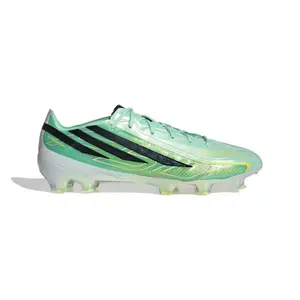
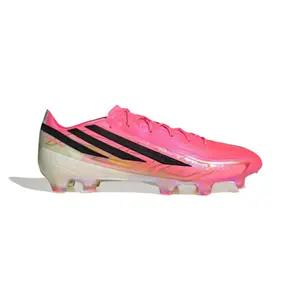
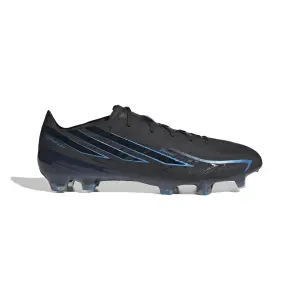
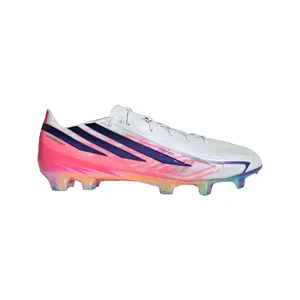
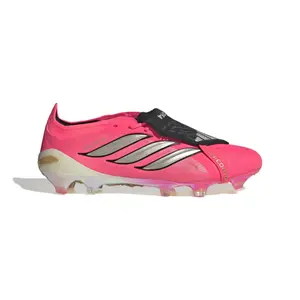
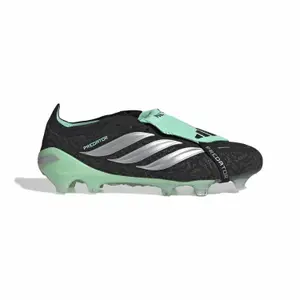
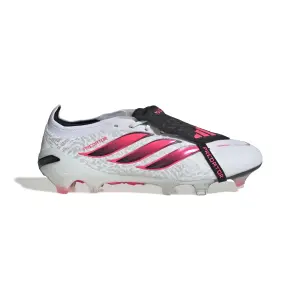
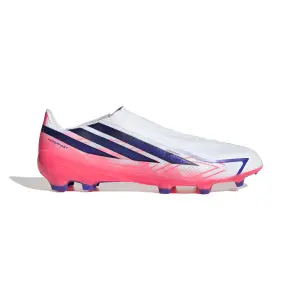
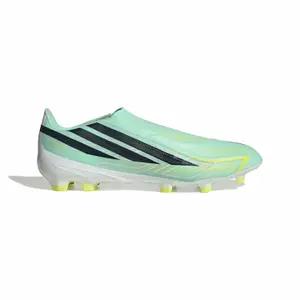
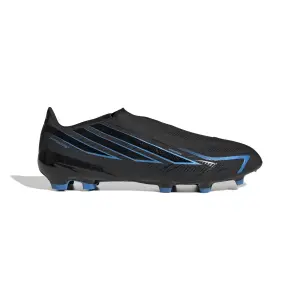
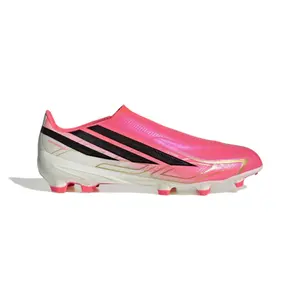
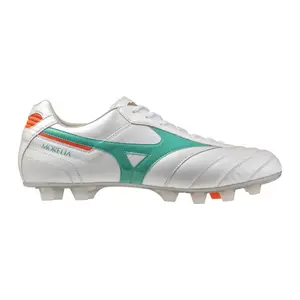
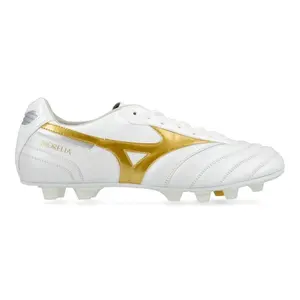
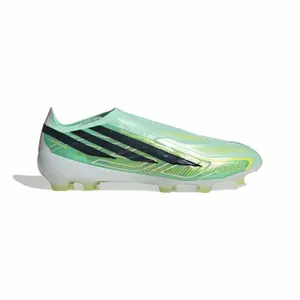
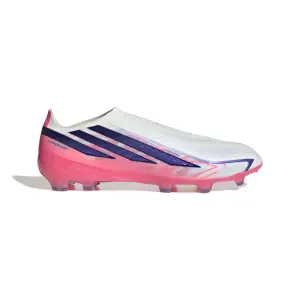
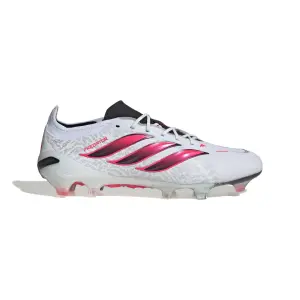
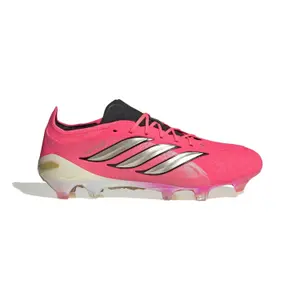
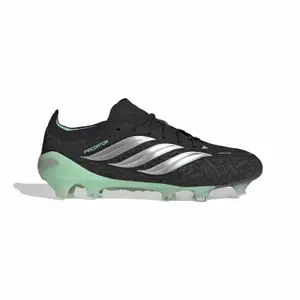
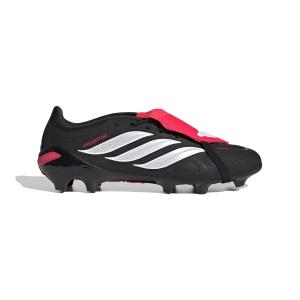
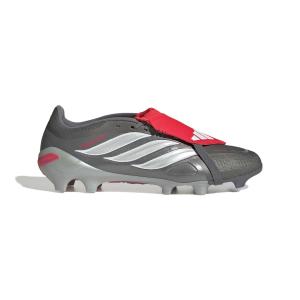
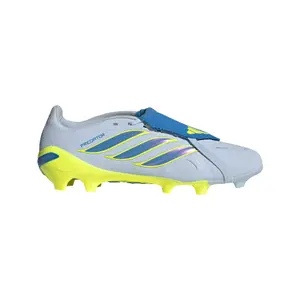
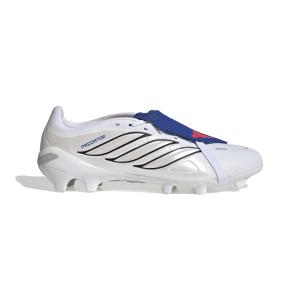
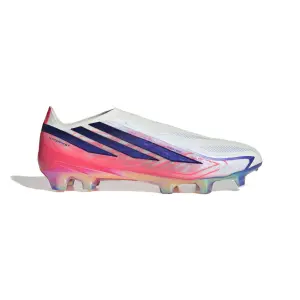
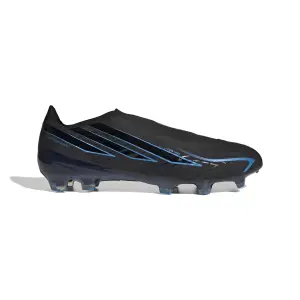
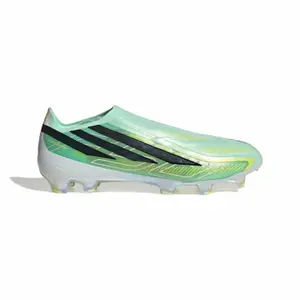
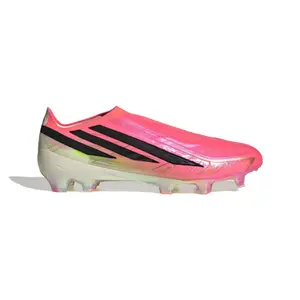
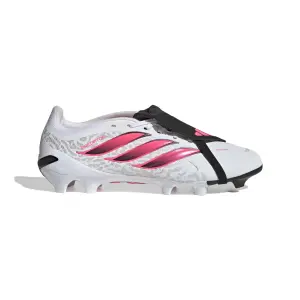
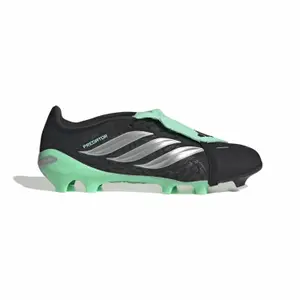
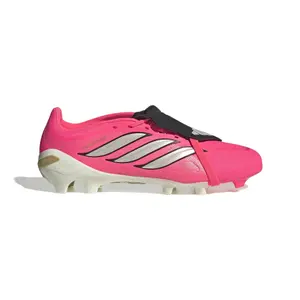
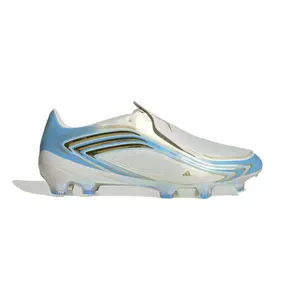
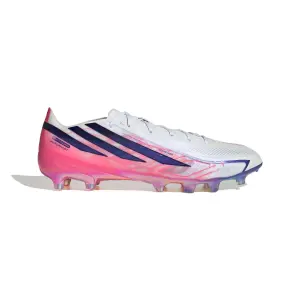
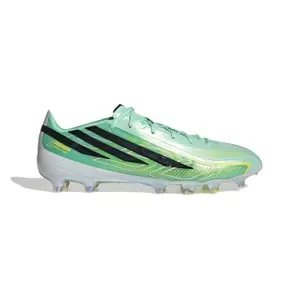
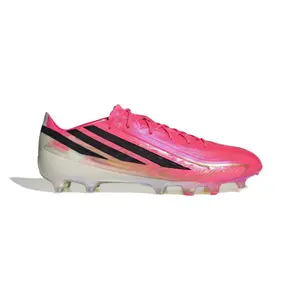
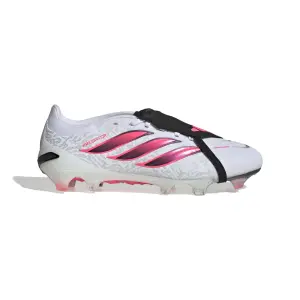
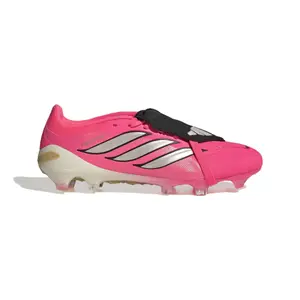
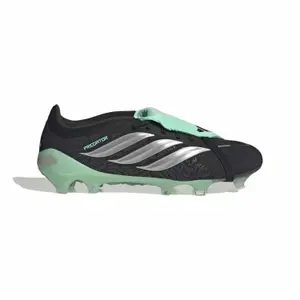
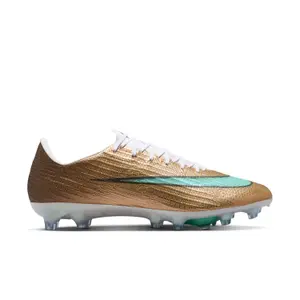
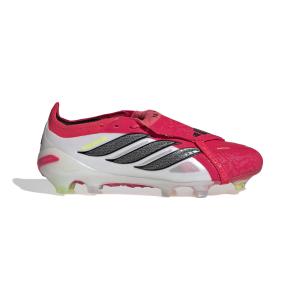
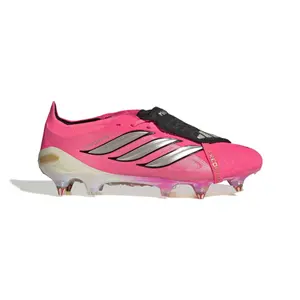
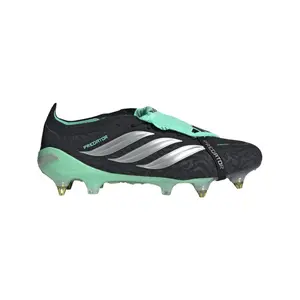
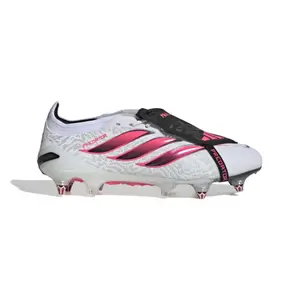
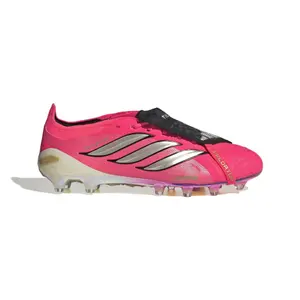
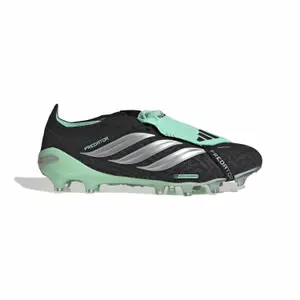
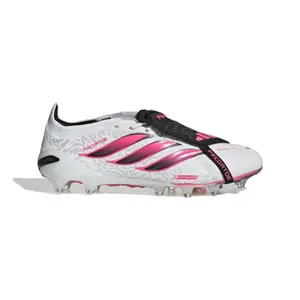
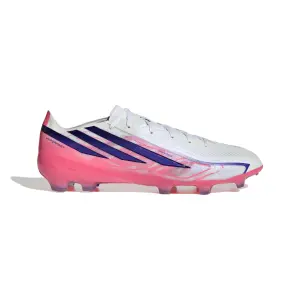
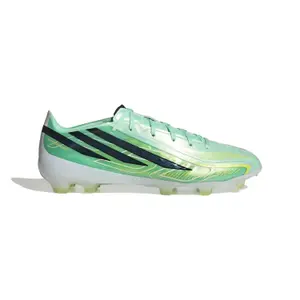
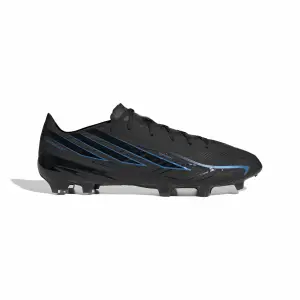
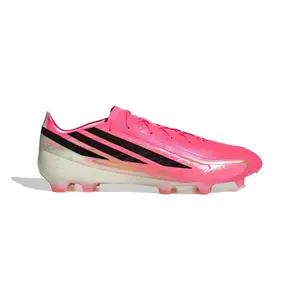
All the adult football boots, from competition studs to training models, from Nike, adidas, Puma, Mizuno and other brands.
First, choose your sole according to your pitch, then select your model based on your style of play: a pair is chosen in this order.
Choosing your sole before your model
It's the most common mistake: you pick a pair for its looks, then find out that it doesn't grip on the club's pitch. The sole, indicated by the suffix of the name, determines your stability, comfort and the shoe's lifespan. Start there.
- FG, dry or slightly damp natural grass. The most sought-after sole in France, and the one that suits the majority of players.
- AG, artificial grass. Shorter and more numerous studs, better pressure distribution, less strain on the knees and ankles.
- MG and FG/MG, mixed soles, a good compromise if you switch between natural and synthetic during the same week.
- SG, muddy and soaked ground, long studs often screwed in, reserved for natural surfaces.
- TF, stabilized, sand or old synthetic, for city play and training.
- IC, indoor and futsal, flat rubber sole.
Two costly mistakes: playing in SG on synthetic, where the long studs don't penetrate and make footing unstable, and wearing FG on stabilized surfaces, which wears down the studs in just a few weeks. If you're not yet familiar with your club's surface, the Pitch page categorises models by type of ground.
What you’re really paying for: the plate, the upper, the cushioning
Between two pairs of the same model, the price difference is not due to the logo or colour. It’s about three components, and knowing how to recognize them completely changes the way to compare.
The plate, the most expensive part
This is the rigid part under your foot, which holds the studs and returns energy with each step. On high-end models, it is made of fine, ribbed composite for a lightweight and highly reactive feel: adidas calls it Sprintframe 360 on the F50 and Controlframe on the Predator, while Nike introduced its FlyLite plate on the Mercurial. On lower-end models, a similar architecture is used with thicker plastic: heavier, less responsive, but notably more forgiving on hard ground.
The upper, what you feel on the ball
This is it that gives the touch, and it’s where brands put their innovations. adidas uses Fibertouch on the F50, a very fine molded synthetic, complemented by the 3D texture Sprintweb in contact areas with the ball; the Predator relies on the Nano Strike Pro, with rubber elements that grip the ball on strikes, and a Powerspine structure that stiffens the entire piece. Nike replaced its GripKnit with the Flyweave Ultra on the Superfly and the Atomknit, its lightest knit, on the Vapor.
In mid-range models, these same uppers exist in thicker versions: the standard Nano Strike loses the rubber elements for a simple textured grain, and Nike's knit becomes a denser mesh. The touch is less direct, but the lifespan is longer.
The cushioning, a recent addition
This is the new feature of this generation: Nike has brought running technologies into football, with an Air Zoom unit and a ZoomX foam underfoot in its high-end speed models. The idea is to return energy with every stride rather than just gripping the ground. On lower levels, this component is simply absent.
Elite, Pro, League or Academy, Club: what really changes
Names differ from one brand to another, but the logic is the same everywhere, across four levels.
- Match level (Elite for both adidas and Nike) is the exact pair worn by professionals: the thinnest upper, the most reactive plate, full cushioning. It’s also the least forgiving, and the one that wears out the fastest on a damaged pitch.
- The level below (Pro) retains the shape, often the plate and a good part of the feel, with slightly heavier materials. In the current generation, Nike claims a Pro is about a quarter lighter than its previous version: the gap with high-end models is narrowing.
- Club level (League for adidas, Academy for Nike) thickens the upper and softens the structure: the fit opens up, the pair is more forgiving, it can handle three training sessions per week.
- Entry-level (Club) replicates the design without the technologies, with a construction designed for durability and comfort.
The right question is not “what is the best level” but “what will I actually feel”. A player who plays one match a week on synthetic will wear out a match pair in one season, whereas a club level can last two years. With a set budget, the right sole for your surface matters more than a higher level.
Which brand for which style of play?
Each equipment maker builds their range around two or three play styles, and the names often return from season to season.
- At adidas, the F50 for speed, the Predator for control and striking, the Copa for comfort and wider feet.
- At Nike, the Mercurial for speed, the Phantom for technical precision, the Tiempo for leather touch.
- At Puma, the Future, aimed at playmakers and creative feet.
- At Mizuno, an approach focused on fit and comfort, favoured by players who don’t find what they need in narrow models.
The other brands include New Balance, Under Armour and a few lesser-known manufacturers. Here you'll find very well-constructed pairs with fits different from the big three: worth considering if the usual models don’t suit you.
With or without laces
Several models exist in a laceless version. The upper wraps around the foot in one piece: cleaner strike surface, no pressure points on the instep, but a fit that doesn’t adjust. This is a choice to make when you already know your exact size in the model. For a first pair, the laced version remains the safer option.
Getting your size right
A football boot fits closer to the foot than a trainer: allow about half a centimetre in front of the longest toe, not more, otherwise the foot moves in support and you lose precision. Measure your foot at the end of the day, standing, with the socks you wear in matches: that’s when it's at its widest.
Speed models have a narrow fit, comfort models a more generous one. If you have wide feet, opt for the latter or go up half a size rather than forcing into a too-tight pair.
Making your studs last
Clean them after each match, not once a month. Remove dirt with a dry brush once it hardens, rinse the sole with clear water, then let it dry at room temperature. Never on a radiator or in a car in the sun: adhesives and synthetic materials can't withstand it. Stuff the shoe with newspaper to keep it in shape.
If you play several times a week, alternating two pairs will make them last much longer than wearing just one: the insole needs time to regain its shape between outings.
Football boot deals: where to find the best bargains
Discounted studs are not limited to two weeks a year. Permanent pages continuously compile models on promotion, and it’s often here that you’ll find the previous generation in good sizes at the same model.
- Shoe promotions: ongoing discounts.
- Clearance: end of line and previous collection colours.
- Sales: the selection that activates during official periods.
- Black Friday: the end-of-year event, across the entire site.
- New arrivals and New packs: on the contrary, to spot what’s coming, therefore what will soon go on promotion.
The calendar comes back each year in the same order: Black Friday kicks off the end of the year, followed by the Christmas holidays, then winter sales. In spring, there are the French Days, followed by summer sales. Between these events, the real trigger is the renewal of packs: each new colour shifts the old one, even though the shoe remains the same.
If you're in a hurry, the selection of 24-hour shipped models groups those ready to go quickly.
Frequently asked questions
Why does a match pair cost three times more than a training pair?
Because they are not the same shoe under the same name. The match version gets the fine, reactive composite plate, the most advanced upper, and on some speed models a cushioning taken from running. The training version retains the design with thicker plastic and a simpler upper. It’s the technical parts, not the brand, that create the difference.
Does a high-end shoe last longer?
No, quite the opposite. The finest materials are also the most fragile: a match pair on hard synthetic wears out quickly. If you play multiple times a week on damaged pitches, a mid-range will last longer and cost you less in the long run.
What do FG, AG, SG, TF, and IC mean?
These are the types of soles. FG for dry natural ground, AG for synthetic, SG for muddy ground with often screwed studs, TF for stabilized, IC for indoor. This is the first criteria to look at, before the brand and before the model.
Do you need a different shoe to play on synthetic?
It’s highly recommended. The AG sole distributes pressure over more, shorter studs, which limits strain on the knees and ankles and preserves the pair. An FG can still be used there, but it grips more and wears out faster.
Do laceless models really hold the foot?
Yes, as long as you’re in the right size: the upper closes in one piece and does not adjust afterwards. It’s very comfortable for an average foot, much less so for a narrow or very wide foot. It’s better to have already worn the model in the laced version before going to laceless.
Where can I find cheap football boots?
In the shoe promotions and clearance, which are open all year, and during sales and Black Friday. The best deals are usually found on the previous generation of a match model: the same plate and upper as a few months ago, for the price of a mid-range pair.