Goalkeeper gloves for children
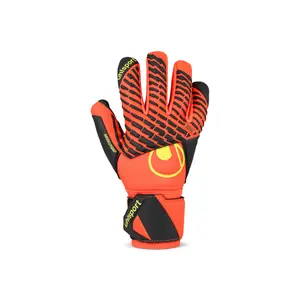
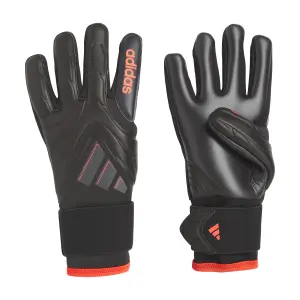
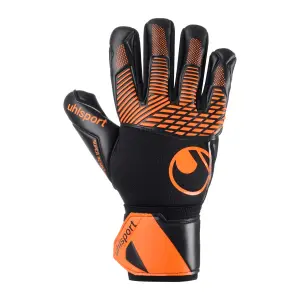
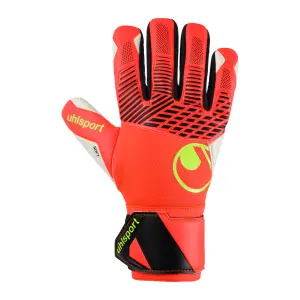
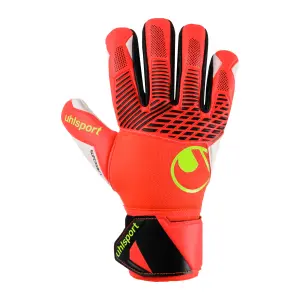
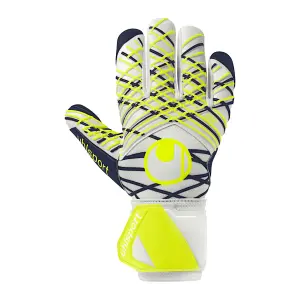
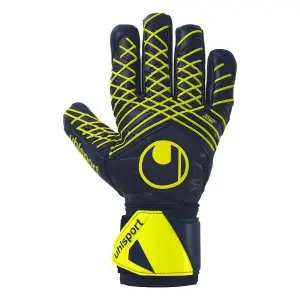
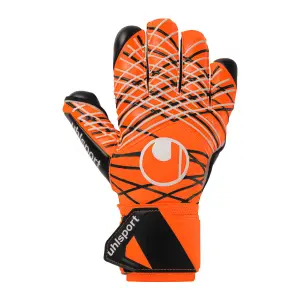
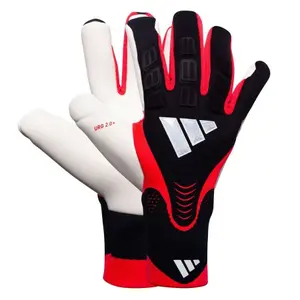
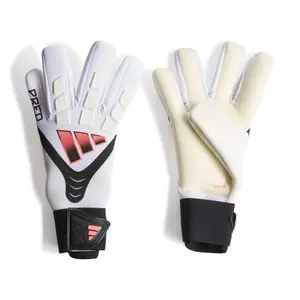
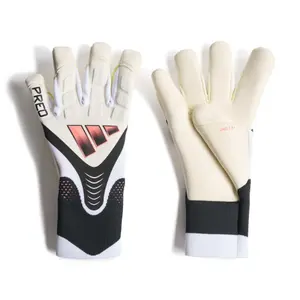
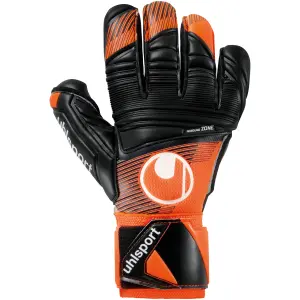
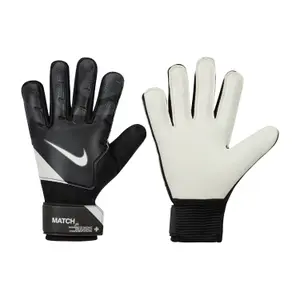
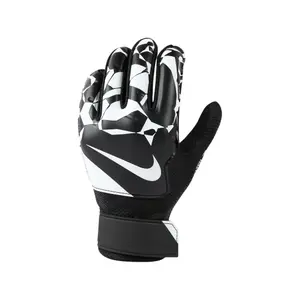
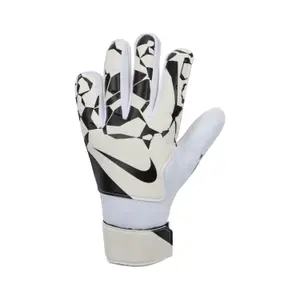
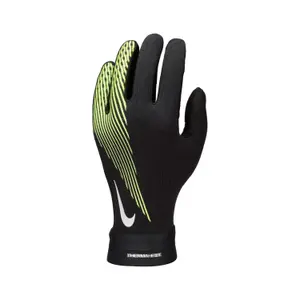
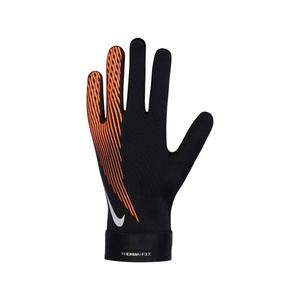
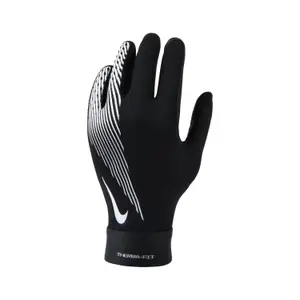
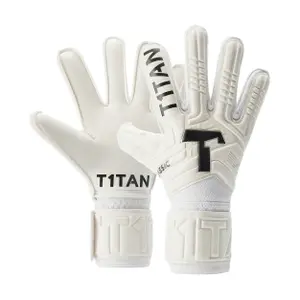
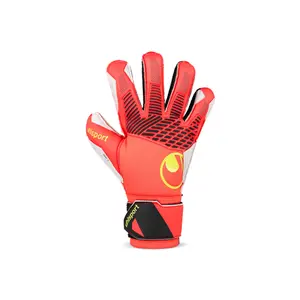
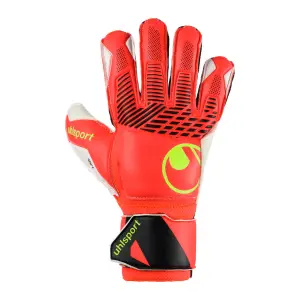
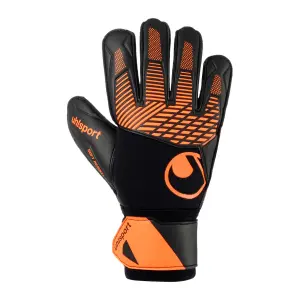
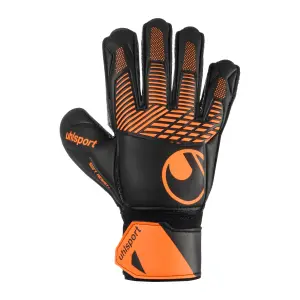
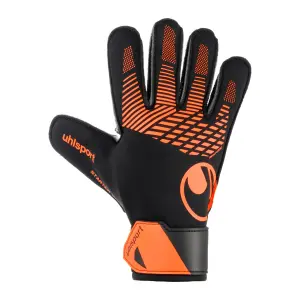
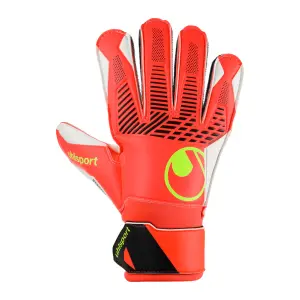
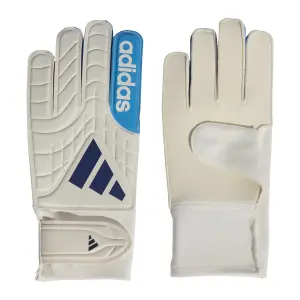
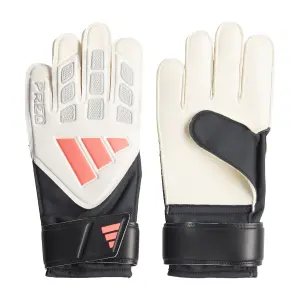
The children's goalkeeper gloves gathered here cover junior and baby sizes, for a first training session in goal or for a young keeper who plays every weekend. You can find pairs from adidas, Nike, Reusch, Uhlsport, T1TAN, TwoFive, Macron, and Avento, with different cuts and grip levels depending on the use.
The rest of the young player's equipment is available in the children's selection.
How to choose goalkeeper gloves for a child?
When choosing goalkeeper gloves for children, three key points matter: size, type of grip and hand cut. A pair that is too large slips during ball handling and makes it hard for fingers to close around the ball, while a pair that is too small becomes uncomfortable within a few weeks of growth. The grip refers to the foam on the palm: the softer it is, the more it grips the ball, but it wears out quickly on rough surfaces. The cut finally determines how the hand feels in the glove, whether it is more enveloping or closer to the ball.
The frequency of play is just as important as the skill level. A child who plays the position once a week at training does not need the same pair as a first-choice goalkeeper who is involved in multiple sessions and matches. In the first case, a durable training pair is more than enough. In the second, higher performance foam and additional protection make a lot of sense.
What size goalkeeper gloves should be chosen for a child?
The size of goalkeeper gloves is measured at the palm, not by age. The usual method involves measuring around the palm, just below the fingers and without including the thumb, then referring to the sizing guide of the chosen brand, as sizes can vary between manufacturers. Children's gloves generally come in numbered junior sizes, with the smallest sizes for the baby and beginner categories.
Two simple markers help avoid mistakes. The tips of the fingers should reach the end of the glove without being compressed, leaving a margin of just a few millimetres. Also, the wrist strap should hold the hand firmly: it prevents the glove from turning on the hand during a save. If the child is between two sizes, it's better to choose the one that fits well at the wrist rather than the larger size.
Flat, negative, roll finger: what cut for a young goalkeeper?
The cut refers to the way the palm and fingers are stitched, and it directly affects the feel of ball handling. Here are the cuts most commonly found in children’s models:
- The flat cut, the most classic, offers a wide contact surface with the ball. It is a reliable choice for a child starting in the position.
- The negative cut, sewn on the inside, tightens the glove around the hand. It suits slim hands and goalkeepers who want to feel the ball up close.
- The roll finger cut wraps the fingers in foam and increases contact with the ball, giving a rounder feel in hand.
- Hybrid cuts mix these principles depending on the fingers, combining support and contact surface.
No cut is inherently better than another. For a child, immediate comfort and fit at the wrist weigh more than the name of the cut: a pair that feels comfortable will be one that they keep for all their matches.
What brands of children’s goalkeeper gloves can be found at Foot-Store?
The children's catalogue brings together major brands specializing in the position and general sports brands, each with its dedicated page:
- The adidas gloves, featuring Predator and Copa lines available in junior versions, from training pairs to more advanced palm foam models.
- The Nike gloves, focused on the Match and Academy ranges, simple pairs designed for training and early matches.
- The Reusch gloves, a specialist brand for goalkeepers, presented here with junior versions of the Attrakt line and Fastgrip models.
- The Uhlsport gloves, another reference for goalkeepers, including child versions of the Absolutgrip models.
- The Errea gloves, for young goalkeepers equipped in the colours of the Italian brand.
The catalogue also welcomes well-established brands in the position like T1TAN, with its Classic, Rebel, and Beast lines in children's sizes, as well as TwoFive, Macron, and Avento. They expand the choice in colours and training pairs.
How to maintain goalkeeper gloves so they last?
The lifespan of a pair largely depends on what you do with them after the match. The palm foam is a soft material: it deteriorates when it dries with dirt embedded and loses its grip when it stays compressed at the bottom of a bag. A useful habit is to rinse the gloves in lukewarm water after use, squeeze without twisting, and then let them dry flat, away from a radiator and direct sunlight.
Two tips are worth reminding a child: not to wipe their hands on their shorts when the palm is dry, and to avoid walking or leaning on their gloves between stops. Many young goalkeepers also alternate between a training pair and a match pair, which helps preserve the softer foam for the weekend.
What else does a young goalkeeper need besides gloves?
A goalkeeper needs the rest of the gear, and the nearby pages complete the equipment. The children's football boots should be chosen according to the playing surface, which also applies to goalkeepers, who rely heavily on their footing. For weekly training sessions, training jerseys, training tops, training bottoms, and training tracksuits cover the complete outfit, from warm-up to returning to the locker room.
If a child wants to wear their club's colours, the teams page groups outfits by club. To see what's newly arrived in children's sizes, the new arrivals for children gather the latest references, and the 24h expedited selection filters items prepared quickly, handy when the pair is needed for the next match.
Where to find children’s goalkeeper gloves on sale?
Several pages on the site continuously gather articles at reduced prices, including goalkeeper equipment. The children's promotions compile the current discounts on junior sizes, while the children's good deals and the general selection of good deals cover a wider area. The clearance and special offers mainly concern end-of-line items and colours from previous seasons, often the best place to equip a child who quickly changes sizes.
The timing also plays a role. The Black Friday kicks off the busiest shopping period of the year, just before the end-of-year holidays when a pair of gloves makes for an easy gift if you know the child's size. Then come the winter sales, to keep an eye on the pages of sales and children's sales, followed by the French Days in spring. Between these times, the new arrivals and children's new arrivals signal the arrival of new collections, a moment when models from the previous season shift to the discounted pages.
Frequently asked questions
From what age can a child wear goalkeeper gloves?
As soon as a child plays in goal, even occasionally during training, a pair of gloves in their size is useful: it protects the fingers and offers reassurance when it comes to stopping the ball. Baby sizes and the first junior sizes exist specifically for the youngest categories. The criterion is not age but hand size, which varies greatly from one child to another.
Should you choose one size larger for gloves to last longer?
This is not recommended. Gloves that are too large will turn on the hand at impact, crease at the palm, and reduce the actual grip surface, making ball handling less secure and more painful. It's better to have a snug pair that will be replaced sooner than a loose pair used for an entire season.
Can a teenager wear adult goalkeeper gloves?
Yes, as soon as their hand reaches adult sizes, which is common for larger kids in U15 or U17. Some models are also available in both junior and adult versions with the same construction. The best practice remains to measure the palm and compare it to the size guide of the brand rather than to rely on age category.
Do children's goalkeeper gloves hold up on artificial turf?
They do, but synthetic and stabilised surfaces wear out palm foam much faster than natural grass. For a child who mainly trains on these surfaces, a training pair with more durable palm foam is often the most sustainable choice. The softest foams, which are very grippy, are then reserved for matches.
Do you need two pairs of gloves for a young goalkeeper?
This is not mandatory, but it is a common practice once a child trains several times a week. A pair dedicated to training takes the wear and tear, while a second pair keeps its grip for the weekend. This also prevents being without dry gloves when the first pair hasn't had time to dry between training sessions.