Children's football shoes by brand and by pitch
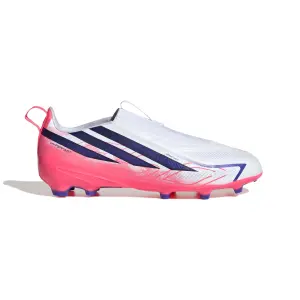
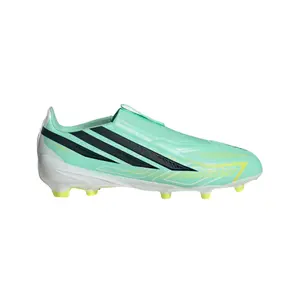
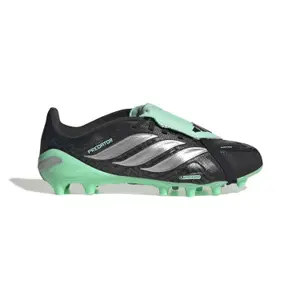
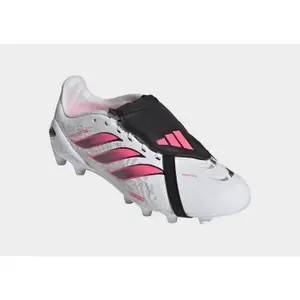
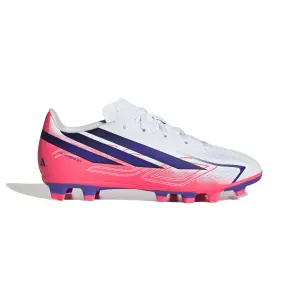
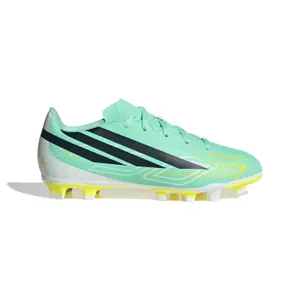
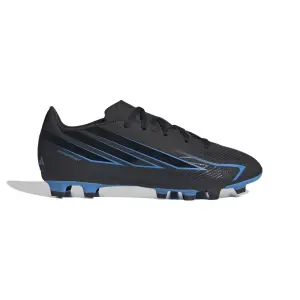
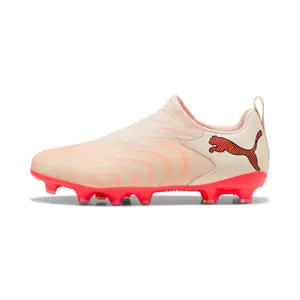
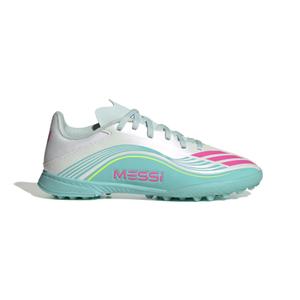
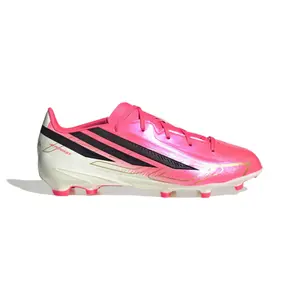
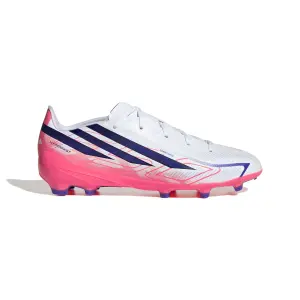
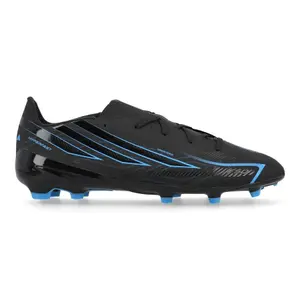
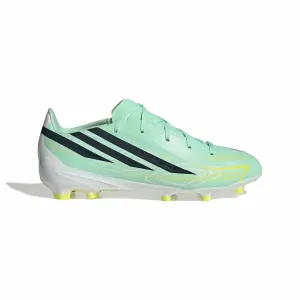
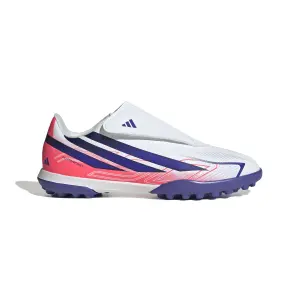
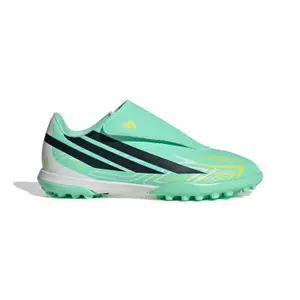
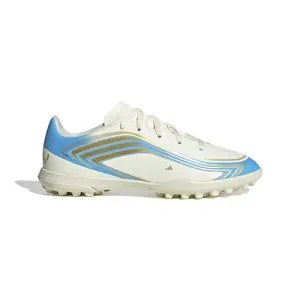
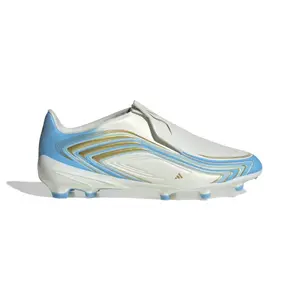
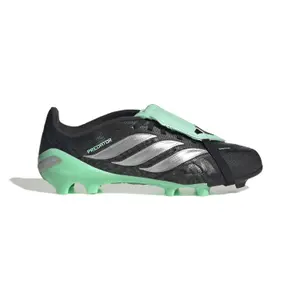
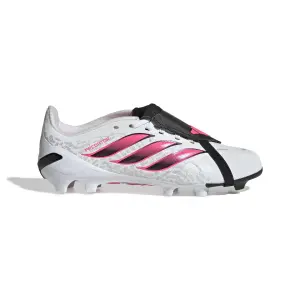
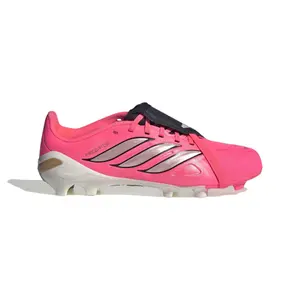
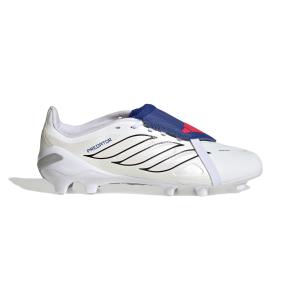
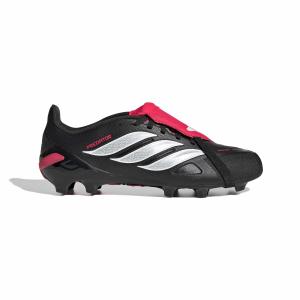
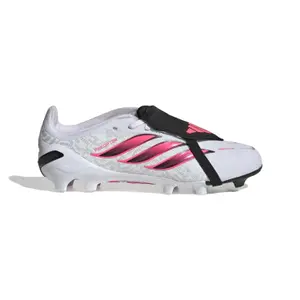
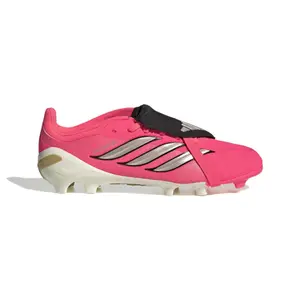
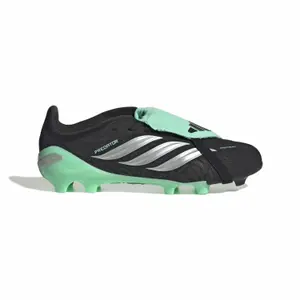
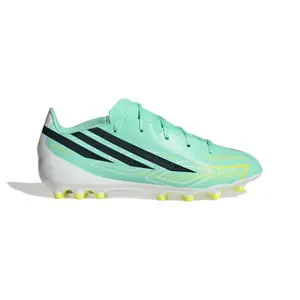
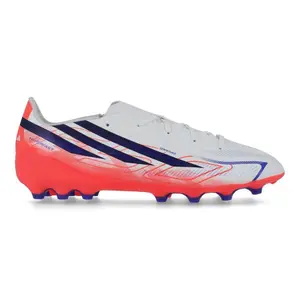
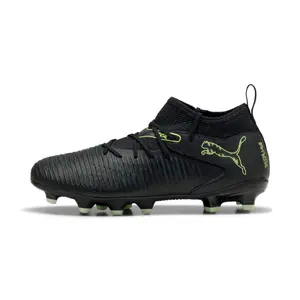
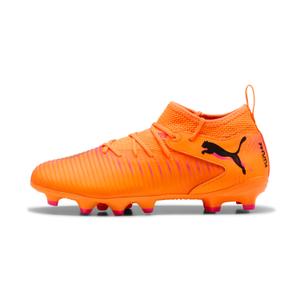
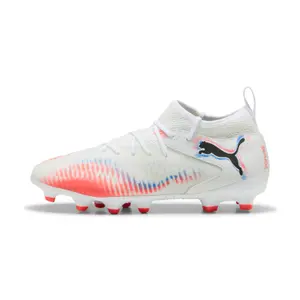
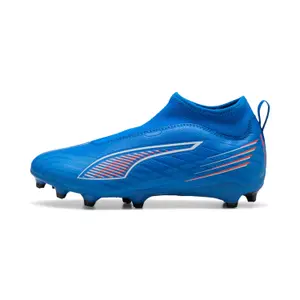
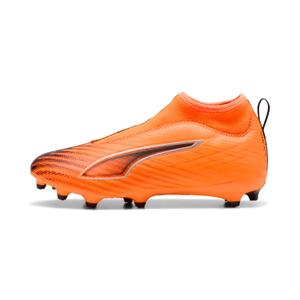
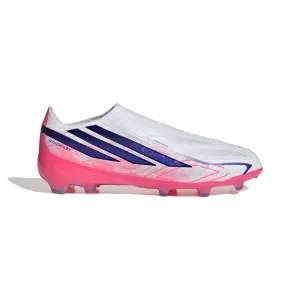
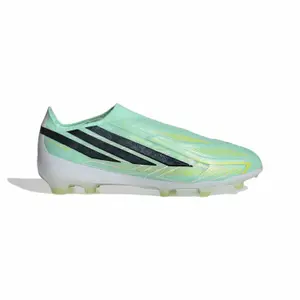
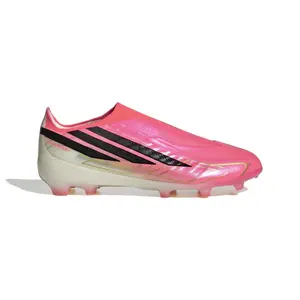
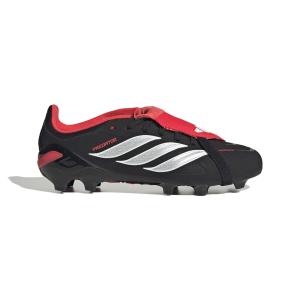

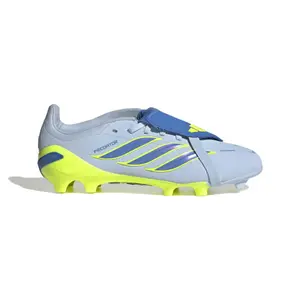
This page brings together the children's football shoes available at Foot-Store, from baby sizes to junior sizes. You'll find models from adidas, Nike, Puma, and Joma, with different soles depending on the type of pitch your child plays on.
What football boots for children can you find on this page
This page collects only football boots designed for children, from baby sizes to junior sizes just before moving on to adult models. The selection is built around the main brands of football: the F50 and the Predator from adidas, the Mercurial and the Phantom from Nike, and the Future from Puma. You can find both entry-level models, designed for a first club or for football school, and more advanced versions for a child who plays several times a week.
If your child is just starting out, the choice mainly revolves around two points: the sole, which must match the club's playing surface, and the fastening system, laces or velcro depending on their age. The rest, colours and finishes, is about the enjoyment of wearing the shoe, and that enjoyment matters when it comes to going to training on Wednesday.
adidas, Nike, Puma, Joma: the brands of children's football boots
Four brands structure the selection, and each has its own page if you already know where you're heading:
- The adidas boots, featuring the F50 line, available in Hyperfast and Messi versions, and the Predator, offered in various ranges from the Club model to the Elite model.
- The Nike boots, centered around the Mercurial line, with Superfly and Vapor versions, and Phantom, also available in various finishes.
- The Puma boots, based around the Future line and its junior variations.
- The Joma boots, a long-established Spanish brand in French amateur clubs.
The terms Club, League, Academy, Elite vary from one brand to another and serve as range indicators: the former correspond to the most accessible models, while the latter refer to the most refined constructions, those worn by professional players. For a growing child, who will change shoe size within the year, the mid-range levels often represent the most reasonable compromise.
FG, MG, AG, TF: which sole according to the club's surface
The acronym at the end of the model name indicates the type of surface the sole is designed for, and this is the first criterion to check before ordering. Here’s what the terms in the selection mean:
- FG for dry and firm natural ground, the most common configuration for grass pitches.
- MG and FG/MG for versatile use, between grass and synthetic, practical when the club alternates training and match surfaces.
- AG and FG/AG for artificial grass, with more numerous and shorter studs.
- TF for stabilised and older synthetic surfaces, with a sole covered in small studs.
In practice, if you're unsure of what your child plays on, a versatile sole like FG/MG covers most situations in amateur clubs. If training takes place on a synthetic pitch all year round, an AG or TF sole is more suitable and will wear out less quickly.
What size to choose for children's football shoes
A football shoe should fit more snugly than a pair of trainers, with about half a centimetre of space in front of the big toe, no more. A pair that’s too big causes the foot to slide inside, leading to blisters and discomfort, while a pair that’s too small is instantly noticeable. A useful tip is to measure the child’s foot in centimetres, with football socks on, rather than relying on the size of their everyday shoes.
Junior and baby sizes follow different size charts according to brands, and a child can wear two different sizes from adidas and Nike. If you're torn between two sizes, the natural tendency is to go for the bigger one to make the pair last another season: this is often a false economy, as the shoe doesn’t hold the foot properly during all the months it is too large.
Laces or velcro: models suitable for the youngest
For a child who can’t yet tie their own laces, velcro-fastening models prevent shoes from coming undone in the middle of a match and allow them to get dressed without help. Several entries in the selection are available in this configuration, identifiable by the Vel mention in the model name. These are particularly relevant during the early years of practice, in football school or in the baby category.
Once the child can manage their laces, traditional models provide a more precise fit, adjustable zone by zone according to the shape of their foot. This is also the format they will encounter in all ranges as they grow.
Where to find discounted children's football shoes
Discounted children's football shoes are concentrated on a few pages of the site, continuously updated. The children's deals page gathers junior items that have dropped in price, while the clearance page collects end-of-line items, often from the previous collection still available in certain sizes only. In terms of timing, the Black Friday kicks off the season, followed by the end-of-year holidays, then the winter sales and the French Days in spring.
Two other tips are worth mentioning. The new arrivals page shows you the colours that have just come in, and it's usually their arrival that leads to discounts on previous generation models. And if the pair is needed for training that week, the children's products shipped in 24h page filters what's leaving the warehouse fastest. The children's promos fill in the details throughout the 2026/27 season.
Completing your player's gear
A pair of shoes rarely comes alone, and the other pages in the children's selection each address a specific need. The training shirts cover weekly training, while the training tops and training bottoms allow you to assemble the outfit piece by piece. For training in cold weather, the training tracksuits are grouped separately.
If your child plays in goal, goalkeeper gloves form a separate page. And for their beloved club shirt, in supporter version, the teams page categorises kits by formation. The entire junior selection remains accessible from the children page.
Frequently Asked Questions
At what age can a child wear studs
From the time they enter football school, around five or six years old, a child generally wears football boots with studs suitable for their size. Before that age, a sole like a TF with small studs or a simple pair of trainers is enough to kick a ball. Baby sizes exist specifically to cover these early years.
Do you need different shoes for training and matches
A single versatile pair is suitable for the vast majority of children in amateur clubs, especially since they change sizes quickly. Having two pairs only makes sense if training and matches take place on very different surfaces, for example synthetic during the week and grass on weekends. In that case, an AG or TF pair and an FG pair complement each other.
What's the difference between a junior shoe and an adult shoe of the same model
Junior versions retain the design and the name of the adult model, but with a lighter construction, a less rigid sole, and studs sized for a child's weight. The highest range levels sometimes exist in junior sizes, sometimes not, depending on the brands and seasons. From large junior sizes, some children switch directly to adult sizes.
Are high-top shoes useful for children
The high top, present on certain lines like the Superfly from Nike, supports the ankle and mainly changes the feeling of putting them on. It does not replace proper support and is not a priority selection criteria for a child. The right size and the suitable sole for the surface matter much more.
How to maintain children's football shoes for longevity
The most effective method is to remove dirt after each match with a dry brush, then allow the pair to dry at room temperature, away from a radiator that can crack the material. Washing machines and hot water can loosen the glue on the sole. Taking the shoes out of the sports bag after training, rather than leaving them damp inside, significantly extends their lifespan.