What type of goalkeeper gloves to choose?
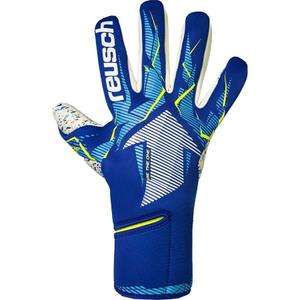
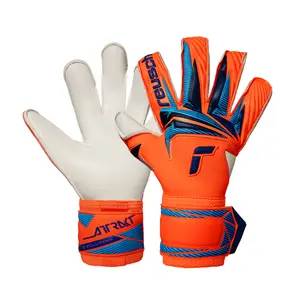
Starting at £93.90
£74.13
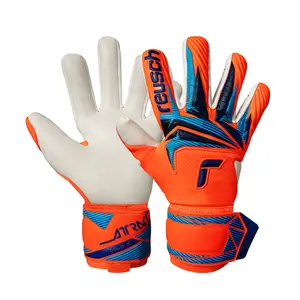
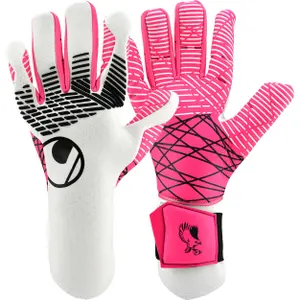
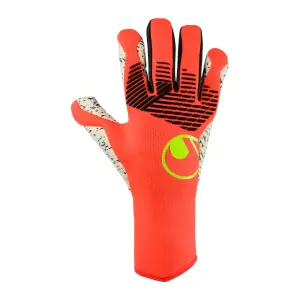
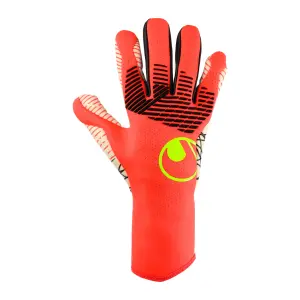
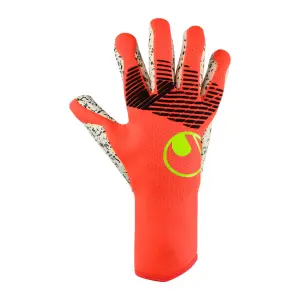
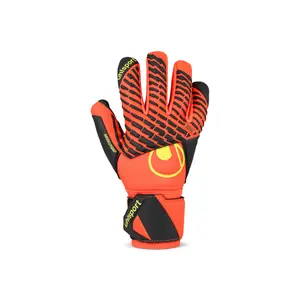
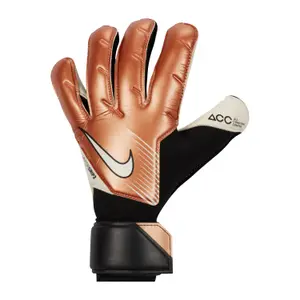
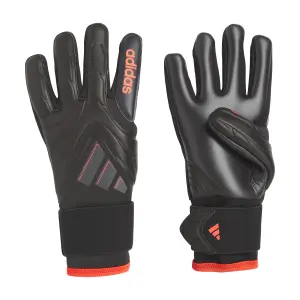
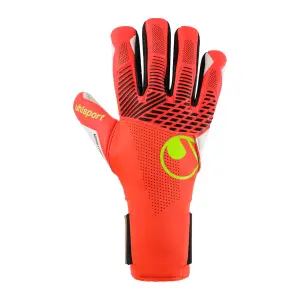
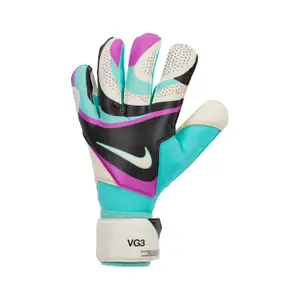
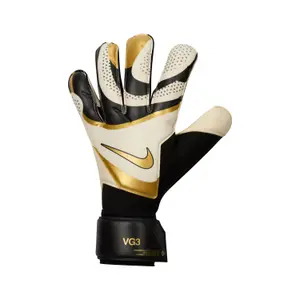
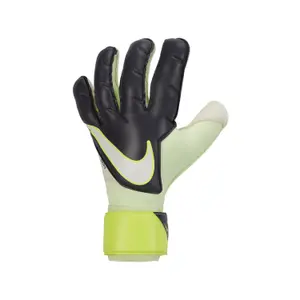
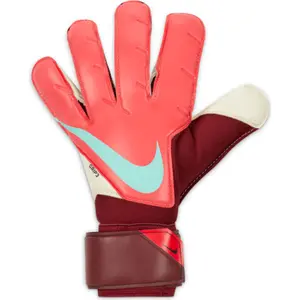
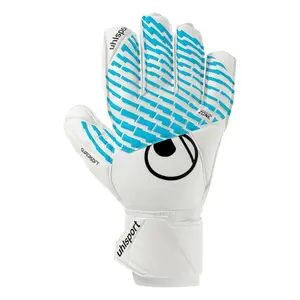
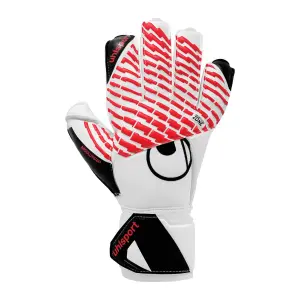
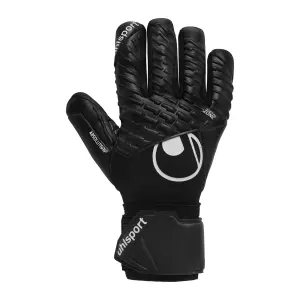
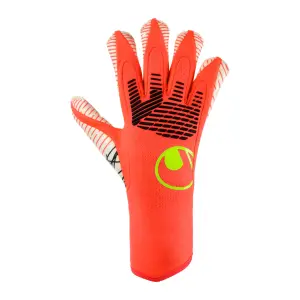
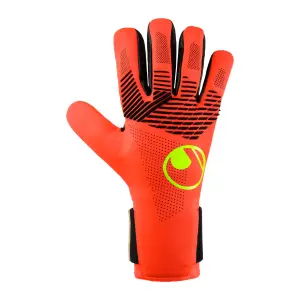
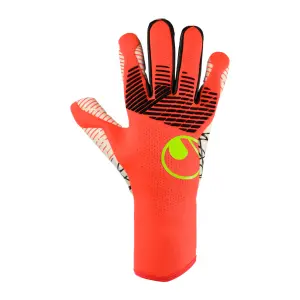
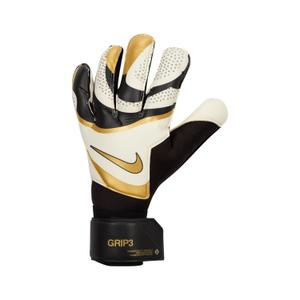
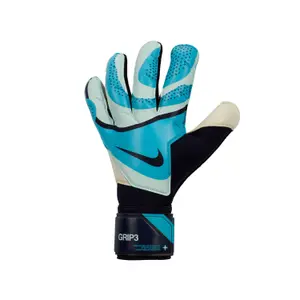
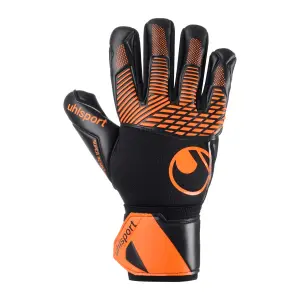
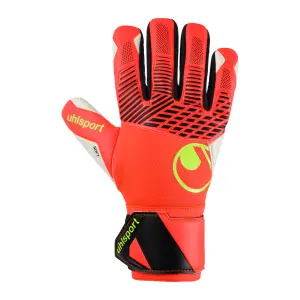
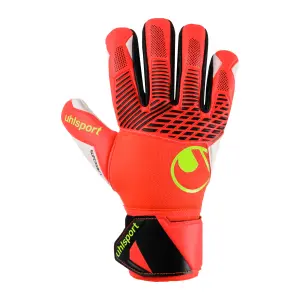
The choice of a goalkeeper glove depends as much on the cut as on the material of the palm. On Foot-Store, you will find the main types of cuts: roll finger, negative seams, hybrids, flat cuts, as well as models designed for finger protection.
This page allows you to compare the different cuts to find the right pair for your body shape and playing style.
How to choose your goalkeeper gloves?
Choosing a type of goalkeeper gloves mainly depends on the palm cut, that is, how the latex wraps around the hand and fingers. This cut directly influences the contact surface with the ball, the fit around the hand, and the feel when catching the ball. A goalkeeper who prefers a loose grip will choose a different cut compared to one who seeks a tight fit like a cycling glove.
Beyond the cut, it’s also important to consider the playing surface, the frequency of use, and whether extra protection for the fingers is needed. The pages below detail each family of cuts to help you compare before buying.
Rollfinger, negative seams, hybrid, flat: the cuts of goalkeeper gloves
Each cut corresponds to a different way of assembling the latex around the hand, which affects grip and comfort:
- The Rollfinger cut, where the latex wraps around the fingers to increase the contact surface with the ball.
- The Negative Seams cut, where the seams are stitched inside the glove for a closer fit to the hand.
- The Hybrid Seams cut, which combines multiple assembly techniques depending on the areas of the glove.
- The Flat Seams cut, a classic construction with flat stitched latex panels, often more flexible.
- Gloves with finger protection, equipped with reinforcements to limit hyperextension during saves.
Which goalkeeper glove brands can be found at Foot-Store?
The selection of goalkeeper gloves at Foot-Store is primarily based on the brand Reusch, known for its gloves from the Attrakt line. You will find models like the Attrakt Gold X or the Attrakt Gold X Evolution worn by Dominik Livakovic, as well as references like the Attrakt Freegel Fusion associated with Unai Simon or the Fastgrip Fusion. These gloves cover both the negative cut and versions designed for finger protection, to be compared based on your usage rather than the name of the goalkeeper wearing them.
Do goalkeeper gloves come with other equipment?
Yes, a goalkeeper typically completes their gloves with other pieces of equipment available at Foot-Store. You can check the goalkeeper textiles for jerseys and technical clothing, or the protection gear for additional safety equipment. If you are equipping a young goalkeeper, the Children's selection includes appropriate sizes. The gloves and Fan items are suitable for those looking for a product related to a specific goalkeeper rather than a playing kit.
When to take advantage of the best deals on goalkeeper gloves?
Goalkeeper gloves are part of the products monitored during major sales events on the site, as well as in permanent sections to check regularly. The Black Friday remains the first big event of the year to watch for goalkeeper gloves, followed by the end-of-year holidays and then the winter sales, a period often visible on the Sales page. In spring, the French Days are another time to watch.
Outside of these periods, several permanent pages are worth a look: the clearance for end-of-line items, the good deals and the special offers to spot price drops, or the Goalkeeper Promotions. If you need a pair quickly, the page shipped in 24h and the general page Shipped in 24h group the references available the quickest. To find out about the latest arrivals, the pages New Goalkeeper Arrivals and New Arrivals are updated as new products are released.
Frequently Asked Questions
What cut of gloves is suitable for a beginner goalkeeper?
A flat or hybrid cut is generally better for a beginner goalkeeper, as it allows more freedom of movement and is more forgiving of catching errors. Rollfinger or negative cuts require a more mastered catch to be fully exploited.
How to determine your goalkeeper glove size?
The size is determined by measuring the length of the hand from the tip of the middle finger to the wrist, in centimeters, and then comparing this measurement to the size chart indicated on the product sheet of each model. It’s better to avoid gloves that are too large, which reduce catching precision.
Are gloves with finger protection heavier?
The reinforcements added to limit hyperextension bring a slight extra weight compared to a glove without protection, but the difference is generally quite small on recent models. This choice mainly depends on a history of finger injury or personal preference for more safety.
Should gloves be changed based on the type of surface?
The latex on the palm reacts differently depending on whether the surface is natural, synthetic, or wet, which may justify having multiple pairs based on the playing conditions. Some goalkeepers keep a pair dedicated to synthetic pitches, which are more abrasive on the latex.
Where to find goalkeeper gloves at a more affordable price?
The clearance and good deals pages regularly group goalkeeper gloves at reduced prices, especially at the end of the season or during major sales events like the Black Friday. It’s useful to check them before making a purchase if the budget is a significant constraint.