Footballs: choosing the right size and playing level
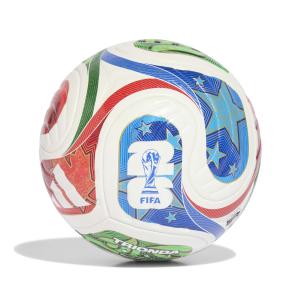


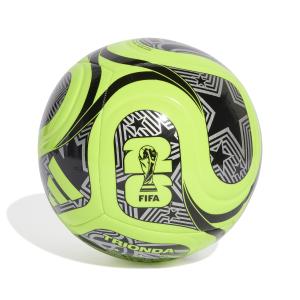



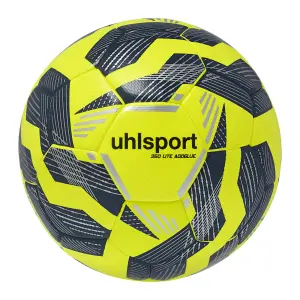
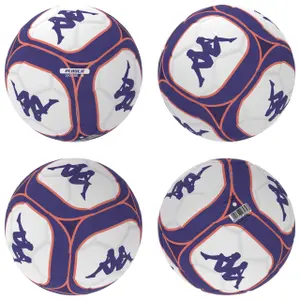
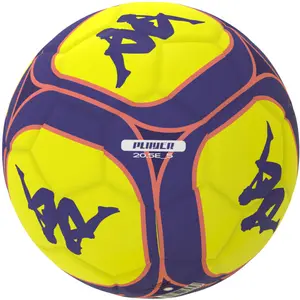
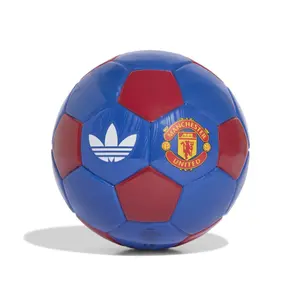
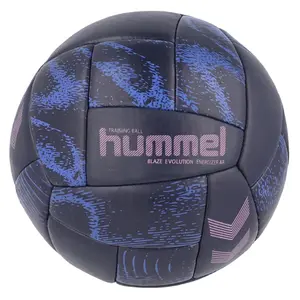
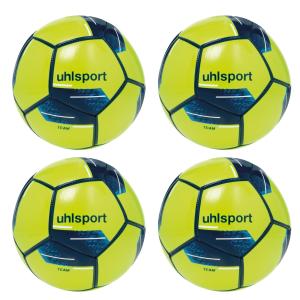
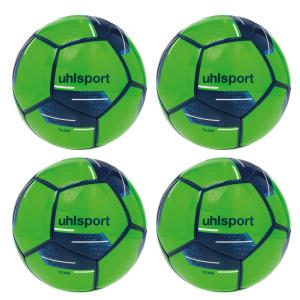
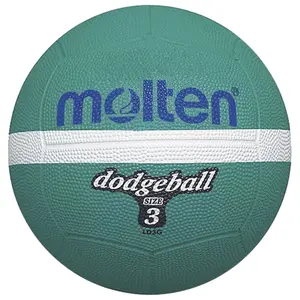
A football shouldn't just be chosen for its look: the size and the level of play make all the difference between a club session and a game with friends. This selection features the new season's footballs adidas.
You can find individual balls, packs for a group, and things to inflate them.
Which football should you choose based on your practice?
The right football is the one that suits how you use it: official match, repeated training, or casual play on a city pitch. A match ball is thermally bonded, more consistent in flight, and more expensive to replace, which makes it a bad choice for kicking against a wall every day. A training ball is usually machine-stitched and designed to withstand hundreds of strikes and abrasive surfaces like synthetic or asphalt. A leisure ball, on the other hand, prioritises durability and cost: it's the one that sits in the boot or garden.
Two useful indicators are found on the ball itself. The FIFA Quality Pro label corresponds to the most stringent tests (sphericity, bounce, pressure retention, water resistance) and is found on competition balls. The FIFA Quality label covers slightly less strict tests and is more than sufficient for training and most amateur leagues. If your club requires a certified ball, check which of the two labels is required by the competition rules before ordering.
What size football should you take?
The size of a football is chosen based on the player's age and the playing surface, not their physique. Size 5 is the adult size, used from U13 categories up to seniors, for both matches and training. Size 4 is for intermediate categories, generally U8 to U12, and is also a reference in futsal, where the ball is also weighted to limit bouncing. Size 3 is for the youngest players, to learn ball control with a lighter ball.
There are two special cases. Mini balls, often classified as size 1, are not used for matches: they are used to work on touch in a confined space, or simply kept as collector's items when they mimic the design of a major competition. If you're buying for a child who is moving up a category mid-season, take the size for the category they will start: a ball that is too large will disrupt their balance and striking technique.
Trionda 26: what is the ball for the 2026 World Cup?
The Trionda is the official ball for the 2026 World Cup, designed by Adidas for a tournament hosted for the first time by three countries: Canada, the United States, and Mexico. Its name comes from the contraction of the prefix "tri-" and the Spanish word "onda," meaning "wave," referring to these three hosts. It was unveiled in October 2025 and stands out for having only four panels, the smallest number ever used for a World Cup ball.
In practice, fewer panels mean fewer seams between the pieces of the shell, which is what designers seek for a smoother surface and more stable trajectories. The match version also includes a motion sensor, already used in previous editions for referee assistance. If you're looking for a ball that will define the 2026/27 season, this design will be seen on fields, in the stands, and in gardens.
Pro, Competition, League, Training, Club: how is the Trionda range organised?
Adidas offers the Trionda in several levels that share the same design but differ in construction and usage. Here's how to position them relative to each other:
- Trionda Pro: the official match ball of the competition, used by professional players, thermally bonded and certified to the highest testing standards.
- Trionda Competition: designed for club-level matches with a stable trajectory, it targets official matches without the price tag of a professional ball.
- Trionda League: a compromise between training and match, focused on ball control, FIFA Quality certified.
- Trionda Training: machine-stitched and built to last, it’s the ball for repeated sessions and technical drills.
- Trionda Club: the versatile ball for daily use, for the park, street, or beach.
- Trionda Mini: the smaller version for touch practice or collection.
Not all of these levels are always available on the page: availability changes throughout the season and with restocks. The size and range filter at the top of the page is the quickest way to see what is on offer when you’re looking.
Bags, accessories, branded balls: which pages to consult?
The selection of balls is divided into more specific pages, depending on what you're looking for:
- The balls by brand, to go directly from the manufacturer if you already have a preference.
- The replica balls, which replicate the design of competition balls in a construction meant for everyday play.
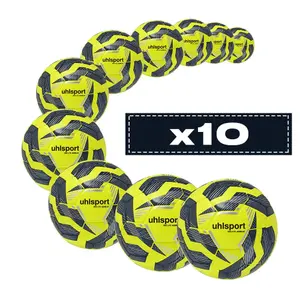
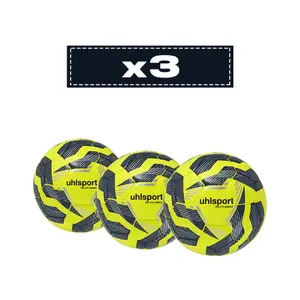
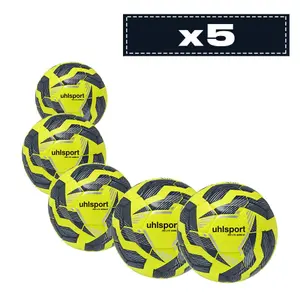
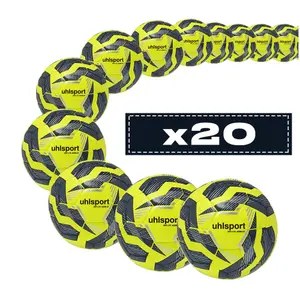
- The ball sets, the page to check for equipping a team or a football school with several identical balls.
- The ball accessories, which include everything needed for inflating, transporting, and storing: pumps, needles, nets, and bags.
- The balls on sale, if your starting criterion is budget rather than a specific model.
A ball often comes with the rest of the training equipment. You can look back at all the football equipment, or check the shin guards, the bags for transporting everything, the training accessories, referee gear, and post-match care products. The new equipment and 24-hour dispatch items also have dedicated pages.
Where to find a cheap football on Foot-Store?
Balls at reduced prices are grouped on permanent sales pages, which are better to check directly rather than browsing the entire catalog. The special offer balls only relate to this selection, while the equipment promotions cover all gear. More broadly, the Good Deals page brings together ongoing operations, the clearance outlet handles end-of-season stock, with its equipment clearance version, and the site’s special offers work on the same principle.
The calendar is as important as the page. The Black Friday is the first key event to watch out for, followed by the end-of-year holidays, a time when balls sell quickly as gifts. Next come the winter sales, with their equipment sales page, then the spring French Days. Two other moments are interesting for a particular ball: the end of the season when outgoing models make way for new ones, and the arrival of a new collection, announced on the new products page. If you're in a hurry, the 24-hour dispatch items page filters for ready-to-ship articles.
How to inflate and maintain your football?
A ball is inflated to the pressure indicated on its shell, printed next to the valve and expressed in bars or PSI, rather than by feel. Lightly moisten the needle before inserting it into the valve: when dry, it can damage the internal channel and the ball will end up deflating on its own. An under-inflated ball makes for soft passes and tires the ankle, while an over-inflated ball becomes hard to control and wears out faster at the seams.
For maintenance, wipe off mud and sand after a session rather than leaving it to dry, and avoid machine washing and long exposure to sunlight, which can weaken the surface. Off-season, partially deflate the ball and store it in a place protected from frost and heat. Pumps, replacement needles, and transport nets can be found in the ball accessories.
Frequently asked questions
Is the ball for the 2026 World Cup usable in club matches?
Yes, as long as you choose the right version from the range. Balls with the FIFA Quality Pro or FIFA Quality labels meet the approval testing and are accepted in competitions that require them, but each federation and competition sets its own rules. It's best to ask your club what label is needed for official matches before buying.
What’s the difference between a thermally bonded ball and a stitched ball?
A thermally bonded ball has its panels assembled by hot gluing, with no visible seams, which limits water uptake and gives a smoother surface: this is the construction of match balls. A machine-stitched ball costs less and withstands repeated strikes very well, which makes it suitable for training and casual play. For daily use on asphalt or synthetic surfaces, a machine-stitched ball is often the most durable choice.
Should you get a specific ball for futsal or indoor football?
Yes, a futsal ball is not just a smaller version of an 11-a-side football. It is generally size 4 and weighted to bounce much less, which keeps the ball on the ground on a hardwood floor or hard surface. Using a grass ball indoors makes play uncontrollable, and the reverse is true outside.
Should a ball bought for an 8-year-old be size 4 or 5?
Size 4 is for U8 to U12 categories and is the right size for an 8-year-old. Size 5 starts around age 13, when striking and playing surface increase. Getting a size 5 too early complicates control and balance, and can lead to poor striking habits.
Is it better to buy a ball individually or in a set?
The set is useful as soon as several players need to work simultaneously: a football school, a coach running workshops, or a family with multiple children. For individual use, a single ball suited to your practice is more relevant than a set of lower-level balls. The compositions and available sizes can be consulted on the balls set page.