Soccer Cleats Nike Mercurial Superfly
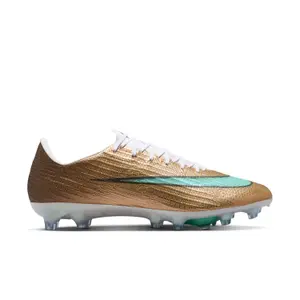
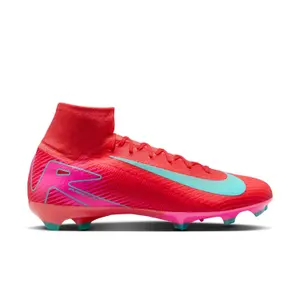
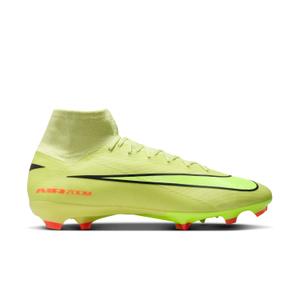
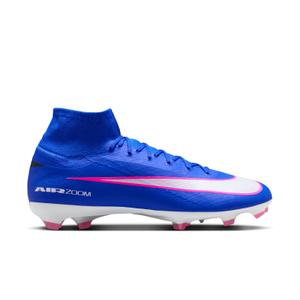
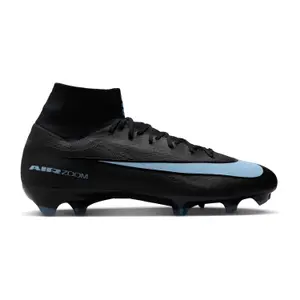
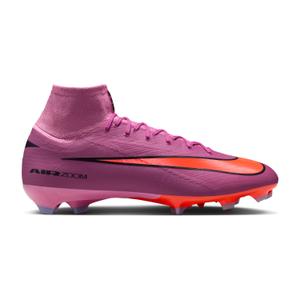
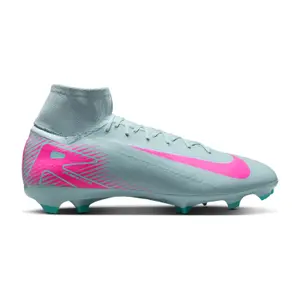
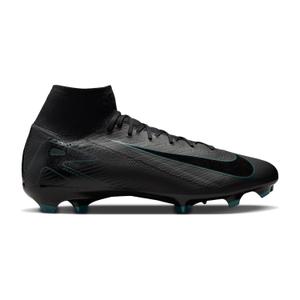
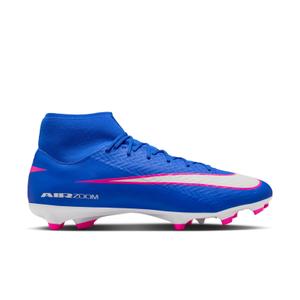
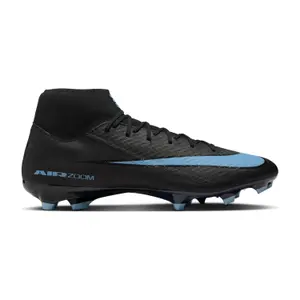
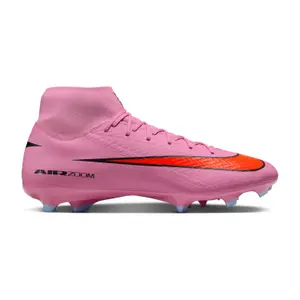
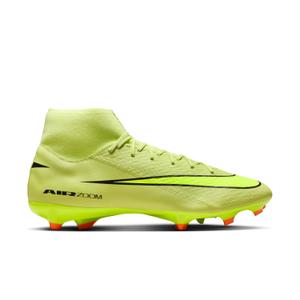
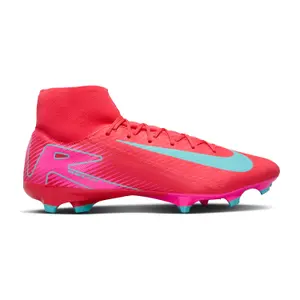
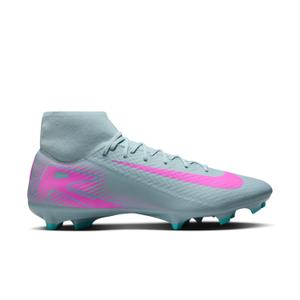
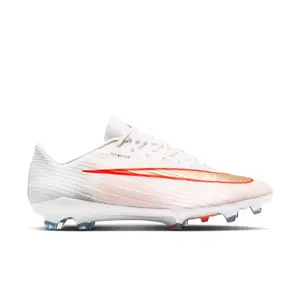
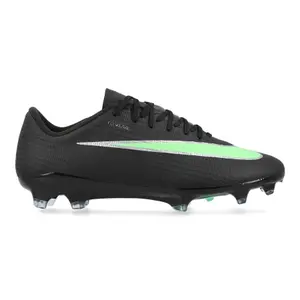
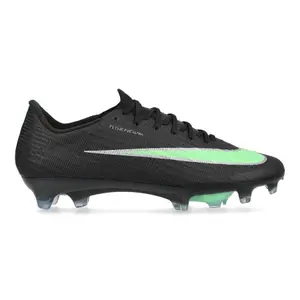
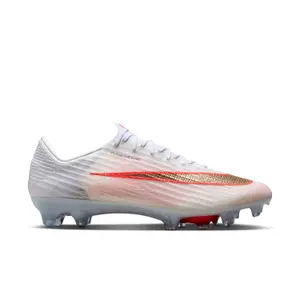
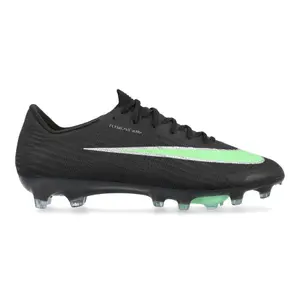
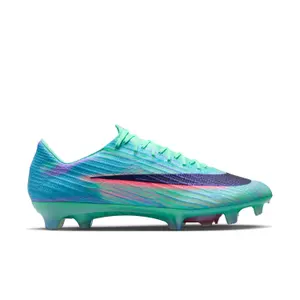
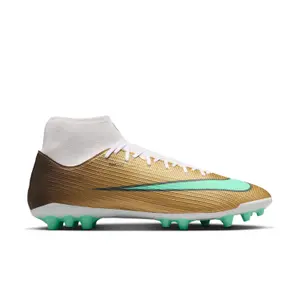
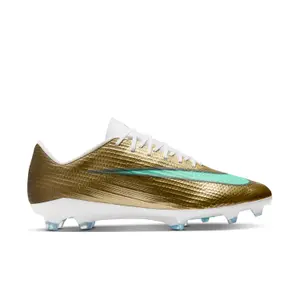
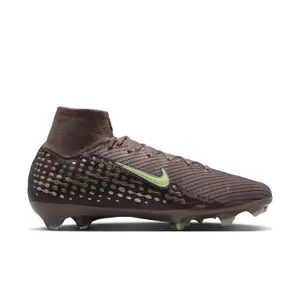
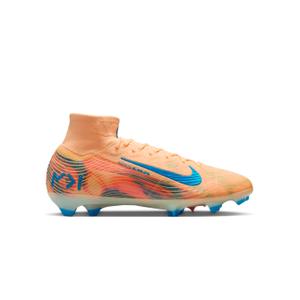
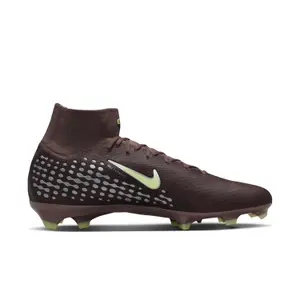
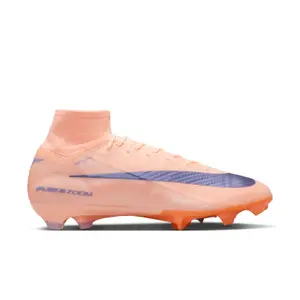
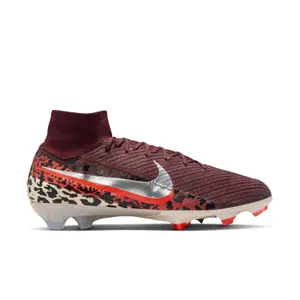
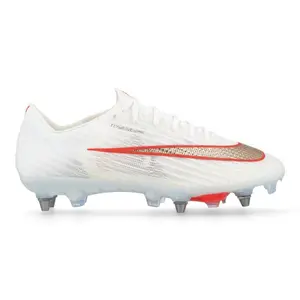
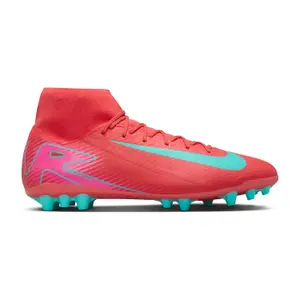
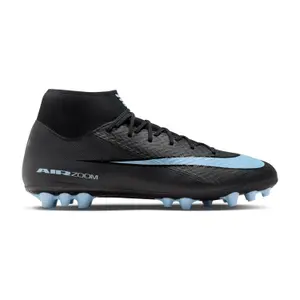
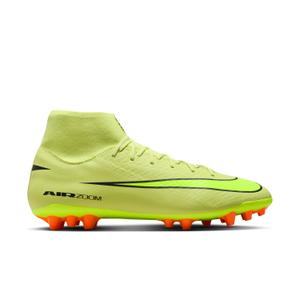
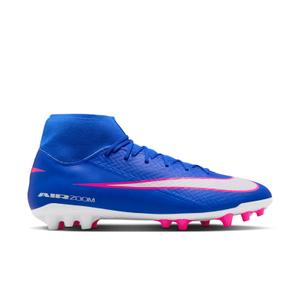
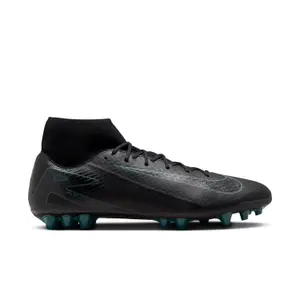
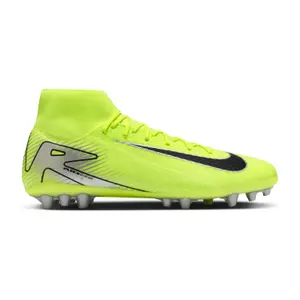
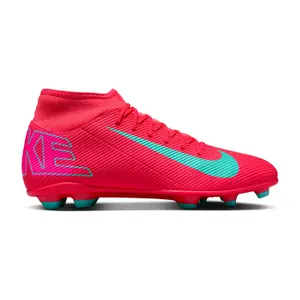
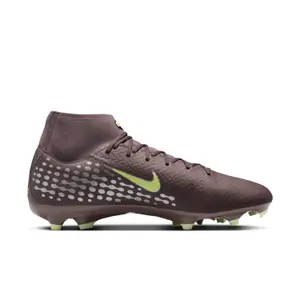
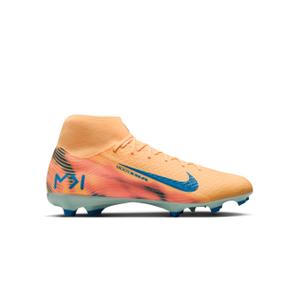
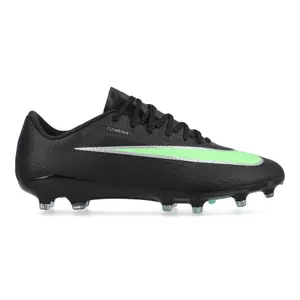
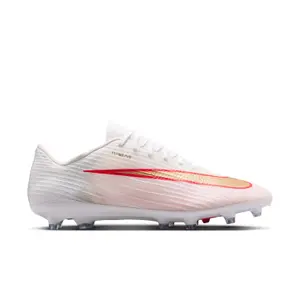
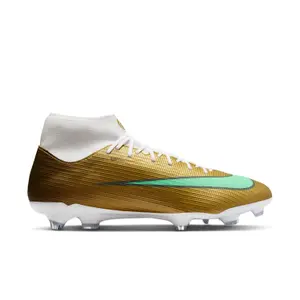
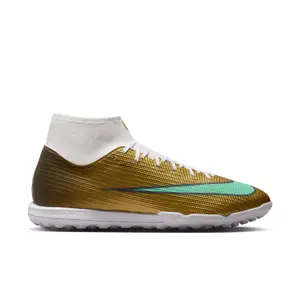
The Mercurial Superfly is the speed boot from Nike: with a locked Flyweave Ultra upper, Air Zoom unit, and ZoomX foam underfoot, designed for players who make the difference in a straight line.
Find here the complete range, from the competition-worn Superfly Elite to the Club model for beginners, available with FG, AG, MG, SG, and TF soles.
Who is the Mercurial Superfly aimed at?
The Superfly is designed for players who win their duels while running. Deep attackers, wingers who attack space, full-backs who surge forward over sixty metres: these are the players Nike has in mind. Everything in the shoe is geared towards straight-line acceleration, from the support of the upper to the cushioning underfoot.
If your game is more about tight spaces, short touches, and quick direction changes, check out the Mercurial Vapor. If you're after control and touch before speed, the Phantom or the Tiempo will be a better fit.
Superfly or Vapor: the difference changed in 2026
For years, the difference was summed up in one detail: the Superfly rose to the ankle, while the Vapor remained low, and both shared the same shoe underneath. This is no longer true. Since summer 2026, Nike has given both models different uppers and soles, a first since 2018: they have become two distinct shoes, designed for two different ways to speed.
The Superfly, straight-line speed
On the Elite version, the Superfly 11 features a visible Air Zoom unit and ZoomX foam, a material that Nike had never used in a football shoe and which it borrows from its running shoes. The goal is energy return: the shoe propels you forward with each stride. The FlyWeave Ultra upper, which replaces the Gripknit of the previous generation, holds the foot more snugly to maintain acceleration.
The Vapor, speed in tight spaces
The Vapor goes in the other direction: FlyLite plate, Atomknit upper, and aims for the lowest weight ever achieved on a Mercurial. A barefoot feel, close to the ground, designed for quick direction changes.
The takeaway: the Superfly drives, while the Vapor frees you up. If you're still unsure, ask yourself where you damage your opponent, over thirty metres of sprinting or two metres of quick footwork.
Superfly 11 or Superfly 10: both generations coexist
Both are in the catalogue, and it's no coincidence. The Superfly 11 is the current generation, featuring the Air Zoom and the FlyWeave Ultra upper. The Superfly 10 remains widely available, in more colours and sizes, with the Gripknit construction that made it a success.
If you want the latest technology and seasonal colours, go for the 11. If you’re looking for the best balance between the Mercurial feel and budget, the 10 is the obvious choice: it’s from the same family, one generation behind, and that’s where you’ll find the best deals in the range.
Elite, Pro, Academy, Club: which level to choose?
There’s the same model available in four levels. The shape remains similar, but the materials, the upper’s finesse, and the outsole change, thus affecting feel and durability.
- Elite: the version for professional players, the only one featuring the Air Zoom unit and ZoomX foam. Maximum feel, minimal tolerance on damaged pitches.
- Pro: similar to the Elite in the upper and shape, but with a more accessible sole. The compromise for regular competitive players.
- Academy: the best-selling level in the range, designed to withstand several training sessions per week without deforming.
- Club: the entry-level option for beginners or a second pair.
A tip that applies to all four: within a given budget, the right sole for your pitch is more important than opting for a higher range level. A worn Elite on a hard synthetic surface will never deliver what it promises.
What sole for your pitch?
The suffix in the name indicates the sole, meaning the ground for which the pair is intended. This is the most crucial factor affecting your stability and the shoe's lifespan.
- FG: dry or slightly damp natural ground, the most requested sole type in France.
- AG: synthetic grass, with shorter and more numerous studs, better weight distribution and less strain on the joints.
- MG and FG/MG: mixed soles, the right choice if you alternate between natural and synthetic in the same week.
- SG: muddy and saturated ground, with long studs, reserved for natural surfaces.
- TF: stabilised, sand or old synthetic surfaces, for small-sided games and training.
Two costly mistakes: playing in SG on synthetic, where long studs don’t grip and make footing unstable, and wearing FG on stabilised, which wears down the studs in a few weeks.
The collar is gone, and it's a turning point
The Superfly sported a Dynamic Fit collar for over ten years, to the extent that many players identified the model with this built-in ankle support. It no longer has one. For the first time since 2014, the Superfly adopts a low upper, thus matching the silhouette of the Vapor.
This isn't just an aesthetic detail; it's a change in logic. As long as the collar existed, the choice between the two models was based on ankle support. Now, the Superfly is chosen for its cushioning and upper, while the Vapor is chosen for its lightness: the real difference is underfoot. If you were keen on the collar, be aware that no current version offers it.
What size to take?
The Mercurial fits true to size, with a narrow fit: start with your usual size, and if you have wide feet, try a half size up or consider the Tiempo, which is more accommodating. Leave about half a centimetre in front of the longest toe: football shoes fit closer to the foot than trainers, otherwise the foot moves too much in the boot.
Measure your foot at the end of the day, standing, wearing the socks you use in matches. For a collar version, put it on by rolling the collar rather than pulling it on, as it relaxes more slowly.
Making your Mercurials last
Clean them after each match, not once a month. Remove dirt with a dry brush once hardened, rinse the sole with clear water, then let dry at room temperature, never on a radiator or in a car in the sun: the knitted uppers and glues cannot withstand that. Stuff the shoes with newspaper to help them keep their shape. If you play several times a week, alternating between two pairs will make them last much longer than wearing just one.
Promo Mercurial Superfly: where to find the best deals
At Foot-Store, reduced-price Superfly options don’t just happen twice a year. Permanent sections continuously gather discounted boots, often where you'll find the previous generation in good sizes.
- Football shoe promotions: ongoing discounts on the boot section.
- Shoe deals: the current selection updated with incoming stock.
- Shoe clearance: end-of-line products and colours from the previous collection, with the same model.
- Shoe sales: the section that activates during official sale periods.
- Black Friday: the end-of-year event covering the entire range.
- New arrivals: to see the new colours coming, thus identifying items that will go on sale.
When should you gear up during the year?
The Black Friday kicks off the end-of-year shopping, followed by the Christmas holidays, the best time to gift a pair, then the winter sales. In spring, the French Days and then the summer sales precede the arrival of new collections.
The real trigger remains the new pack releases: each new colour makes the previous ones go on clearance, even though the shoe remains the same. With the Mercurial, it’s the transition from one generation to the next that offers the most interesting differences.
Frequently asked questions
What’s the difference between the Mercurial Superfly and the Mercurial Vapor?
It’s not just about the collar anymore. Since 2026, Nike has given both models different uppers and soles: the Superfly focuses on energy return and straight-line speed, featuring an Air Zoom unit and ZoomX foam in the Elite version, while the Vapor aims for extreme lightness and agility in tight spaces, with a FlyLite plate and Atomknit upper. Choose the Superfly if you're taking depth, the Vapor if you play between the lines.
Should I get the Superfly 11 or the Superfly 10?
Both are available. The 11 is the current generation, with the Air Zoom and FlyWeave Ultra upper. The 10 is still offered in more colours and sizes, with the Gripknit construction, and it’s where you’ll find the best deals. If the latest technology isn’t essential to you, the 10 offers the same Mercurial feel for less money.
Does the Superfly still have a collar?
No. The current generation drops the Dynamic Fit collar, for the first time since 2014, and opts for a low upper. The previous generations still available retain it: if you want that, you’ll need to look at them. Note that this collar never provided joint support; it did not replace an ankle brace.
Is the Superfly suitable if I mainly play on synthetic?
Yes, as long as you choose the AG version: on that type of surface, it wears significantly less quickly than a FG and is gentler on the joints. This is an important point to keep in mind for a match model, whose thin upper doesn’t cope well with abrasive surfaces. If you play on both, the MG version is the compromise.
Do Mercurials fit small?
They fit true to size, but narrow. Start with your usual size and add a half size if you have wide feet. Leave about half a centimetre in front of your longest toe, no more.