Pack adidas Ice Cold Precision: Predator and F50
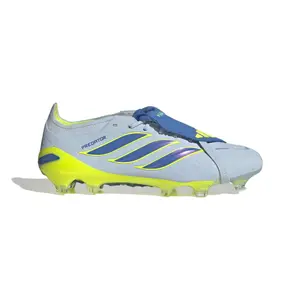
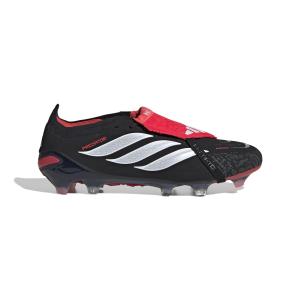
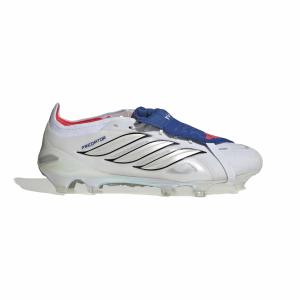
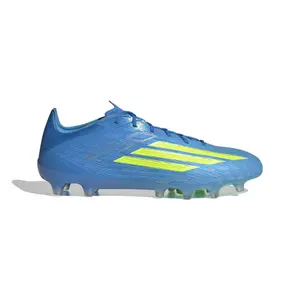
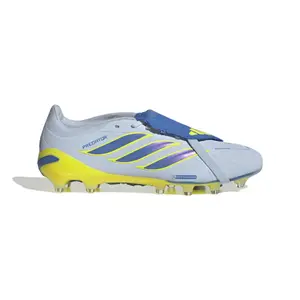
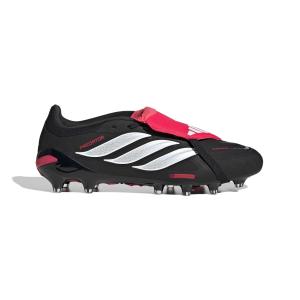
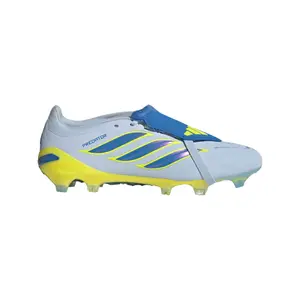
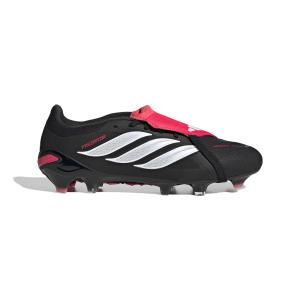
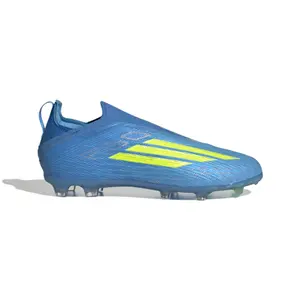
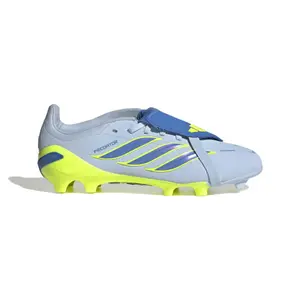
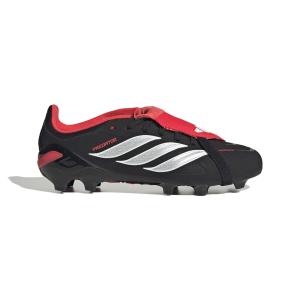

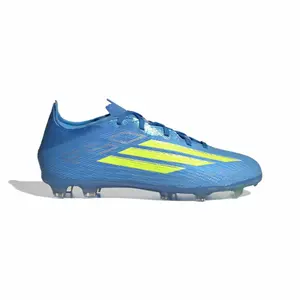
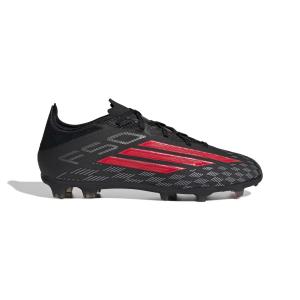
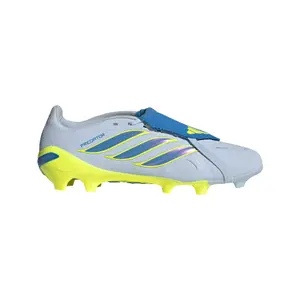
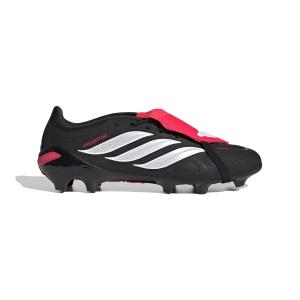
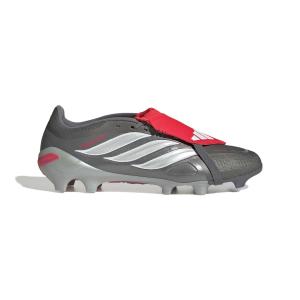
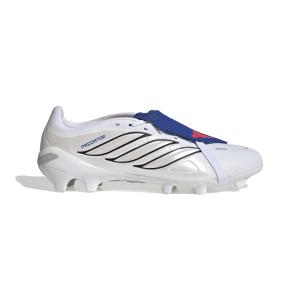
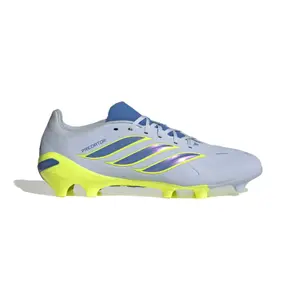
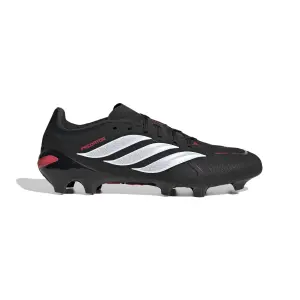
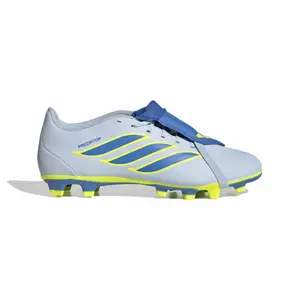
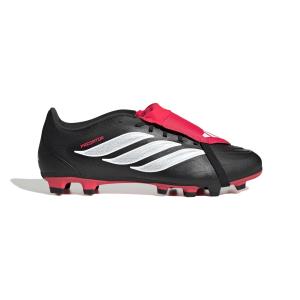
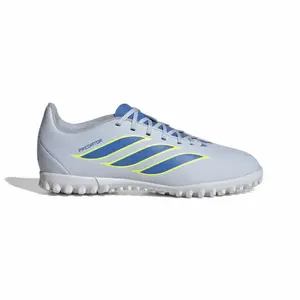
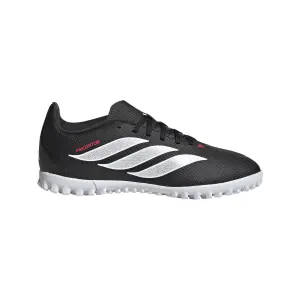
The adidas Ice Cold Precision pack features football boots from adidas dressed in a chilled blue, light grey, and bright yellow colourway launched for spring-summer 2026. You can find both major lines from the brand, the Predator and the F50, available in adult and child sizes.
Each model comes in several finishes, from Club to Elite, and with different soles depending on the type of pitch you play on.
What is the Ice Cold Precision pack?
Ice Cold Precision is the name given by adidas to a set of football boots launched for spring-summer 2026, united by a cold visual identity. The Predator comes in a very pale light grey, accented with blue on the three stripes and neon yellow on the details, while the F50 reverses these colours, featuring a blue upper with bright yellow stripes. A pack from a manufacturer is not a new shoe: it is a common design applied to existing models, which helps to identify players of the same brand at a glance on the pitch. On this page, you will find the current adidas silhouettes in this colourway, available for both adults and children, complemented by matching shin guards.
Predator or F50: which shoe to choose from the Ice Cold Precision pack?
The choice depends more on your playing style than on the colour, as both models share the same visual identity. The Predator is adidas's line built around contact with the ball: its textured upper assists with striking, controlling, and long passing, making it suitable for players who organise, distribute, and strike from a distance. The F50 follows a different logic, focusing on lightness and quick play: with a slim upper and lighter construction, it caters to players who thrive on runs in behind, speed duels, and quick changes of support.
If you're unsure, consider your position and what you do most in a match. A midfielder who regularly touches the ball and seeks precision would lean towards the Predator; a winger or striker making runs would feel more comfortable in the F50. The width of your foot also matters: the knitted uppers of the F50 fit narrow feet, while the Predator generally provides a bit more volume due to its thicker construction.
Elite, Pro, League, Club: what changes with the finish level?
At adidas, the name that follows the model indicates the quality level, which affects the materials and price, not a different shape. The Elite is the high-end version, worn by professional players, featuring the most advanced upper and sole materials. The Pro takes much of this construction in a more accessible format. The League is in the middle, designed for regular training and weekend matches, while the Club represents the entry-level option, suited for casual play or a beginner.
Two terms often appear in the names of this selection. The FT abbreviation refers to the Predator with a foldable tongue, which folds over the lacing to provide a more consistent striking surface. The LL abbreviation, found on some F50 models, indicates a laceless shoe, slipping on like a sock, appreciated for the feeling of a continuous upper but less adjustable in width.
FG, AG, MG, TF, IC: which sole for your pitch?
The sole is chosen based on the surface you play on most often, and it's the most important point for both your comfort and safety. FG models are designed for natural grass in good condition, which is typical for most club pitches. The AG is meant for artificial turf, featuring more numerous and shorter studs that reduce strain on the joints. MG models, often marked FG/MG, work on both surfaces and are handy when you alternate between several pitches during the week.
Two other options complete the selection. Turf models, labelled TF, have a sole covered with small rubber studs, designed for older synthetic fields, stabilised surfaces, and local pitches. Futsal models, marked IC or Sala, have a flat rubber sole intended for hard gym floors and should not be used on grass.
Are there Ice Cold Precision shoes for kids?
Yes, the colourway is available in children's sizes across several models, both in Predator and F50. The children's versions maintain the silhouette and graphics of the adult version, featuring a lighter construction and a fit designed for growing feet. You'll find classic turf models, Turf versions for synthetic and stabilised surfaces, and a futsal option for indoor play.
For a child, it's better to opt for a mid-range or entry-level finish if their shoe size is still changing quickly, saving the Elite versions for players whose growth has slowed. Allow for about half a centimetre of space at the toe: a shoe that's too big can slip and impair support just as much as a shoe that's too tight.
What are the other football boot packs to compare?
If the Ice Cold Precision colourway doesn't convince you, the other current collections can be viewed separately from the new packs page:
- The adidas Final Rush pack and the adidas Chaos vs. Control pack, two other designs from the same Predator and F50 lines if you're looking for the same models in different colours.
- The adidas Road to Glory pack, a collection by adidas centred on the World Cup.
- The adidas F50 Messi, for the F50 in its signature version.
- The packs Nike Mbappe 26, Nike Break 'Em Pack, Nike Breakout, Nike Black Pack, and Nike Showtime, for Mercurial, Phantom, and Tiempo models in their seasonal colourways.
- The packs Puma Level Up, Puma Eclipse, Puma Arrival, and Puma Showtime, featuring the Future and Ultra lines.
- The packs New Balance Neon Tide and Mizuno Bright Black, if you're looking to explore options outside the two most common brands on the pitch.
Where can I find good deals on adidas shoes?
The pack colours follow the collection schedule, and this is what creates opportunities: a design replaced by the next often ends up on discount pages. Several permanent selections allow you to track this movement without having to watch every product listing. The football shoe promotions and shoe deals group pairs whose prices have changed. The shoe clearance focuses on end-of-line models and remaining sizes, and the overall clearance covers other categories in the catalogue.
The schedule provides some reference points. The Black Friday for football shoes kicks off the autumn sales season, and its general page Black Friday covers the whole site. The end-of-year holidays follow, with the current special offers. Next come the winter sales on shoes, then the French Days in spring, two times when the previous season's colours are most active. The sales page collects all the affected products during these periods.
In contrast, if you want to see a colourway as soon as it arrives, the football shoe new arrivals and site new arrivals list the latest references added. And when you're playing the following weekend, the selection of shoes shipped within 24 hours shows the pairs ready for quick dispatch, along with the 24-hour shipping page for the rest of the catalogue.
Frequently asked questions
Does the Ice Cold Precision pack change the shoe's performance?
No, a pack is a colour variation applied to existing models. An adidas Predator Elite from the Ice Cold Precision pack has the same upper, sole, and fit as the Predator Elite in a different colour from the same generation. The choice between two packs is therefore aesthetic, and it is the model and its finish that determine its performance on the pitch.
Should I take my usual size in Predator or F50?
Both lines fit differently, despite having the same size on the label. The F50 is known to be narrow and close-fitting, which can be uncomfortable for wider feet, while the Predator generally offers a bit more volume. If you're switching from one model to the other, measure the length of your foot rather than relying on the size from your previous pair.
Does a light colour get dirty quickly on the pitch?
A light grey or bright blue upper marks more easily from dirt and cut grass than a dark colour; this is a common issue with all light packs. A dry brush after the match, followed by a damp cloth without harsh detergent, is usually enough. Avoid the tumble dryer and radiators, as they can deform the upper and weaken the sole bonds.
Can FG studded shoes be worn on synthetic surfaces?
It's possible occasionally, but it's not the intended use and many clubs advise against it. The longer and fewer FG studs grip heavily on synthetic fibres and can increase stress on the knee and ankle. If you regularly play on synthetic surfaces, an AG sole or FG/MG sole remains the sensible choice.
Is it better to wait for a price drop to buy a pack colourway?
It all depends on the priority you give to the size. Recent colours are offered in the most complete size range, whereas pairs that have seen a price drop are often end-of-line items where not all sizes are still available. If your size is common and the colour doesn't matter much, keeping an eye on the promo pages makes sense; if you have a rare size, it's best not to wait too long.