Football balls for Christmas
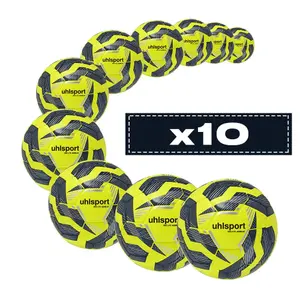
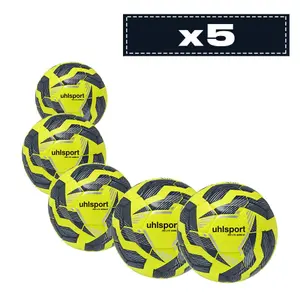
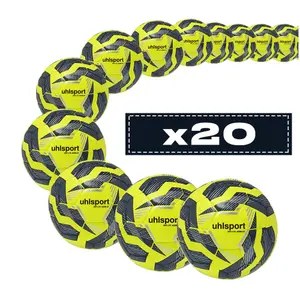
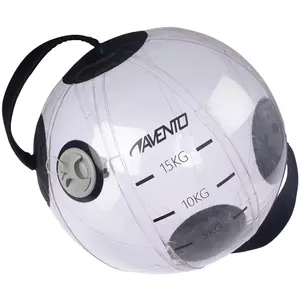

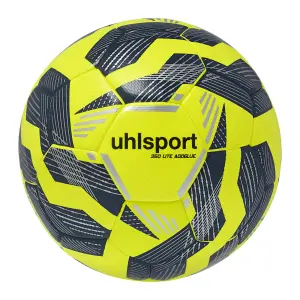
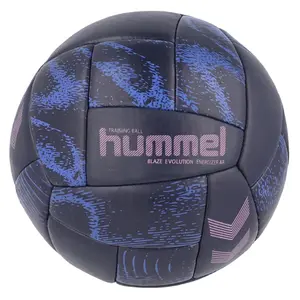
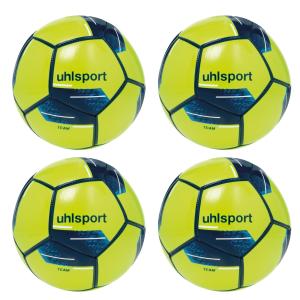
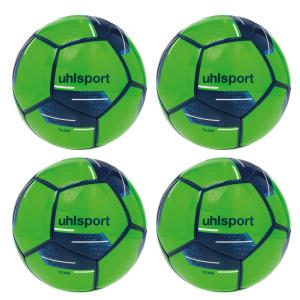
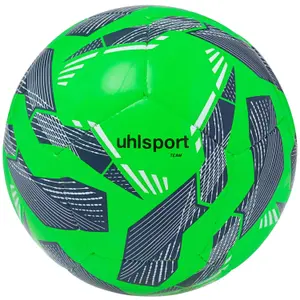
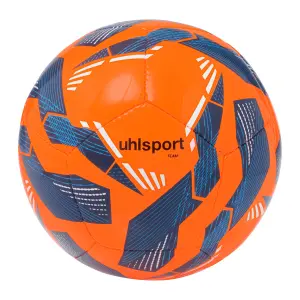
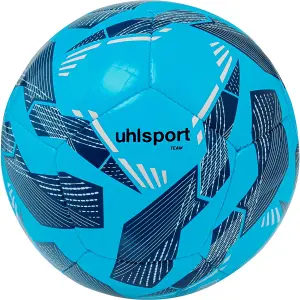
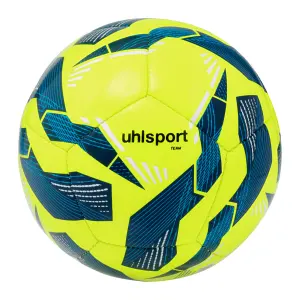
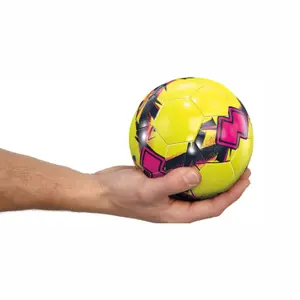
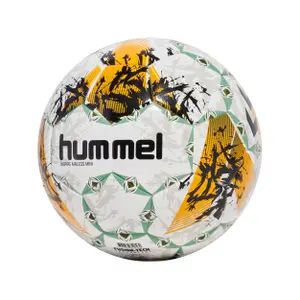
This page brings together the football balls from the Christmas selection: match balls, mini balls, and models in the colours of major brands.
It's the gift that is least likely to miss the mark, as long as you aim for the right size. The rest, colour and brand, is down to the taste of the recipient.
Why a ball makes a great gift
Because it can be used right away. Unlike a pair of shoes, which need to fit just right, or a jersey, which requires the correct size and club, a ball is chosen based on just one reliable criterion: the age category.
It’s also something that wears out, so it gets replaced. A young player rarely has too many balls, and the one they’ve been using for two seasons is generally a bit worn out.
What size ball to give?
The size corresponds to the player's age category. The size 3 is for the youngest, up to around seven years old: a heavier ball can throw off their technique and discourage them.
The size 4 covers the intermediate categories, roughly ages U8 to U12. The size 5 is the adult size, used from U13 onwards and by seniors, both in matches and training.
If you’re unsure about a child who is close to changing categories, opting for the smaller size is the safest choice: a slightly small ball is playable, while a ball that’s too heavy is not.
Match ball, training ball or mini ball?
The match ball is the most carefully crafted and the priciest, designed with a surface and seams made for flight. It’s a gift that pleases a player who already has enough for training.
The training ball is more durable and less expensive, built to withstand sessions on all surfaces. It’s the practical choice, the one that will be used the most.
The mini ball is a special item. Too small for playing a match, it’s used for juggling, skill practice and indoor play. It’s a good addition rather than a standalone gift.
The ball in a club's colours
Many balls come out in the colours of a team or a competition. For a gift, this often makes a difference in the eyes of the recipient, much more than the construction of the ball.
One point to check: these models are often smaller balls or leisure format rather than playing balls. The size indication on the product sheet settles the matter.
What's needed alongside the ball
A ball usually comes deflated, which means you need a pump. It’s the detail that can ruin a Christmas morning, and a low-cost addition to the gift.
Inflation itself matters: an over-inflated ball is hard to touch and bounces badly, while an under-inflated ball deforms and wears out. The recommended pressure is usually indicated on the ball itself.
Other gift ideas
The ball is just one entry in the selection. The budget-friendly gift ideas, the mid-range gift ideas, and the more generous gift ideas classify the selection by budget, which is often the point of reference that’s most practical.
By category, shoes and team jerseys are the most requested gifts, children's products include what’s available in junior sizes, and goalkeeping covers gloves and apparel for the position. Equipment, teamwear, lifestyle, and running and fitness complete the Christmas page.
Frequently asked questions
What size ball should I give to a ten-year-old?
The size 4, which covers categories around U8 to U12. Size 5 becomes the standard from U13 onwards, and size 3 is preferred for under seven years.
Is the ball delivered inflated?
Generally not, balls are delivered deflated. Having a pump with the gift avoids disappointment on Christmas morning, and some pumps come with the necessary needle.
Is a mini ball enough as a gift?
It’s used for juggling and skill work, not for playing a match. It’s a good addition to a main gift, rather than a gift that stands on its own itself.
Do I need a match ball or a training ball?
The training ball is more robust and cheaper, so it’s more useful day to day. The match ball is more enjoyable for a player who already has what they need for training.
Where can I find other football gift ideas?
Pages sorted by budget are the most practical point of entry: small budgets, mid-range budgets, and larger budgets. Team jerseys remain the most requested gift.