Footballs for the comeback
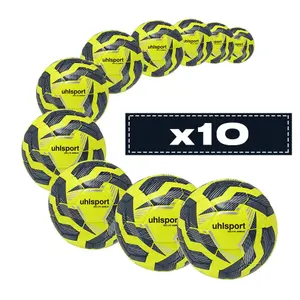
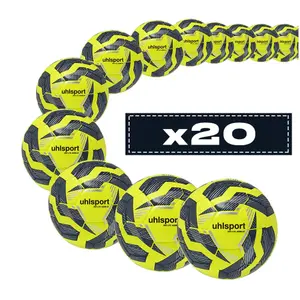
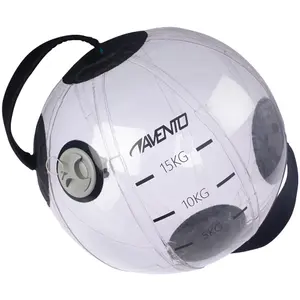

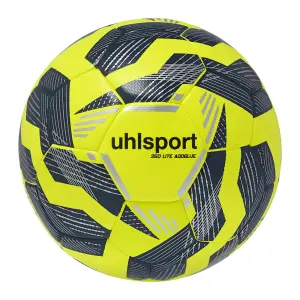
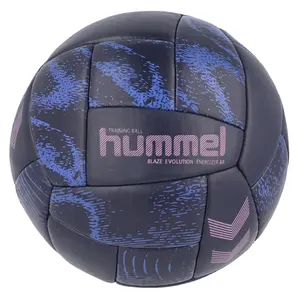
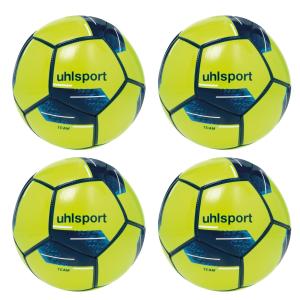
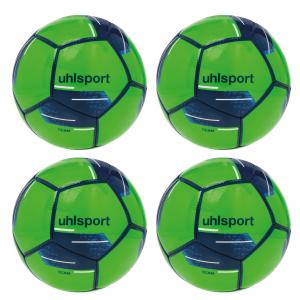
This page brings together the football balls from the restock selection: match balls, training balls, and mini balls, in sizes that cover all categories of a club.
This is the item we inventory first when returning from a break, because it has suffered the most from the previous season.
To make managing your club easier, payment by bank transfer is accepted from €300.
Why restock balls at the start of the season?
Because it's the equipment that wears out the fastest. A training ball endures several sessions a week, often on artificial pitches, and part of the stock doesn’t last through the following season.
The start of the season is also when team rosters change: categories move up, the required sizes change, and a suitable stock from last year may be poorly distributed this year.
What size for which category?
The size corresponds to the age category; that's the only rule that matters. The size 3 is for the youngest players, up to around seven years old, where a ball that's too heavy can throw off their technique.
The size 4 is for intermediate categories, roughly U8 to U12. The size 5 is the adult size, used from U13 onwards and up to seniors, both in matches and training.
A club that covers several categories needs at least two sizes, sometimes three. This is the calculation to make before ordering, rather than buying a single lot.
How many balls to plan for each team?
One ball for every two players is the basis for a proper technical session, which means around a dozen balls for a full squad. If there are fewer, part of the group has to wait during drills, and the session loses intensity.
At this volume, the price difference between a training ball and a match ball becomes significant. Most clubs keep a few match balls for the weekend and use training models for sessions.
Match ball, training ball or mini ball?
The match ball is the most refined: its surface and seams are designed for aerodynamics. It costs more and wears out quickly if used daily, making it a weekend ball.
The training ball is built to withstand wear, featuring a thicker outer layer and reinforced seams. It is the backbone of a club's stock.
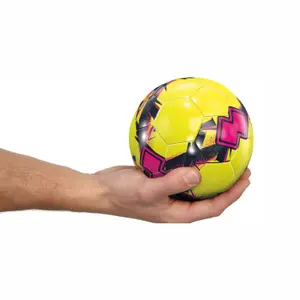
The mini ball is used for technical drills and juggling. A few of these are enough, but they are useful in youth categories where ball control is being developed.
Maintaining a lot of balls
Inflation is the first point. A ball that's over-inflated becomes hard and bounces poorly; if under-inflated, it warps and its seams wear out in utter loss. The recommended pressure is usually printed on the ball.
Storage also matters. A lot left fully inflated all summer in a hot room ages faster. Slightly deflating the balls during breaks extends their lifespan without much effort.
The rest of the equipment for the new season
The ball is just part of the inventory. The shin guards cover shin pads and supports, the football bags include sports bags and ball bags, and the accessories group together the small session gear.
The medical supplies pertain to strapping and recovery products, while the club area is for association supplies. The equipment page brings everything together.
Frequently asked questions
How many balls do you need for a team?
A dozen for a full squad, which means one ball for every two players, allowing for rotation of drills without downtime. With fewer, part of the group has to wait during sessions.
What size ball for U11?
Size 4, which is for categories around U8 to U12. The switch to size 5 happens from U13, while size 3 is for categories below seven years old.
Should you deflate the balls during the break?
Slightly, yes. A lot left fully inflated in a hot room all summer ages faster, with seams and the outer layer deteriorating unnecessarily.
Where to find cheap footballs for a club?
The clearance sale and good deals are available all year round for end-of-line stock. The sales and Black Friday come during shopping seasons, which has more impact on a larger order.
What ball for an artificial pitch?
A training ball rather than a match ball, as the abrasion from artificial surfaces wears out the outer layer faster. Its thicker outer layer withstands this type of pitch better over a season.